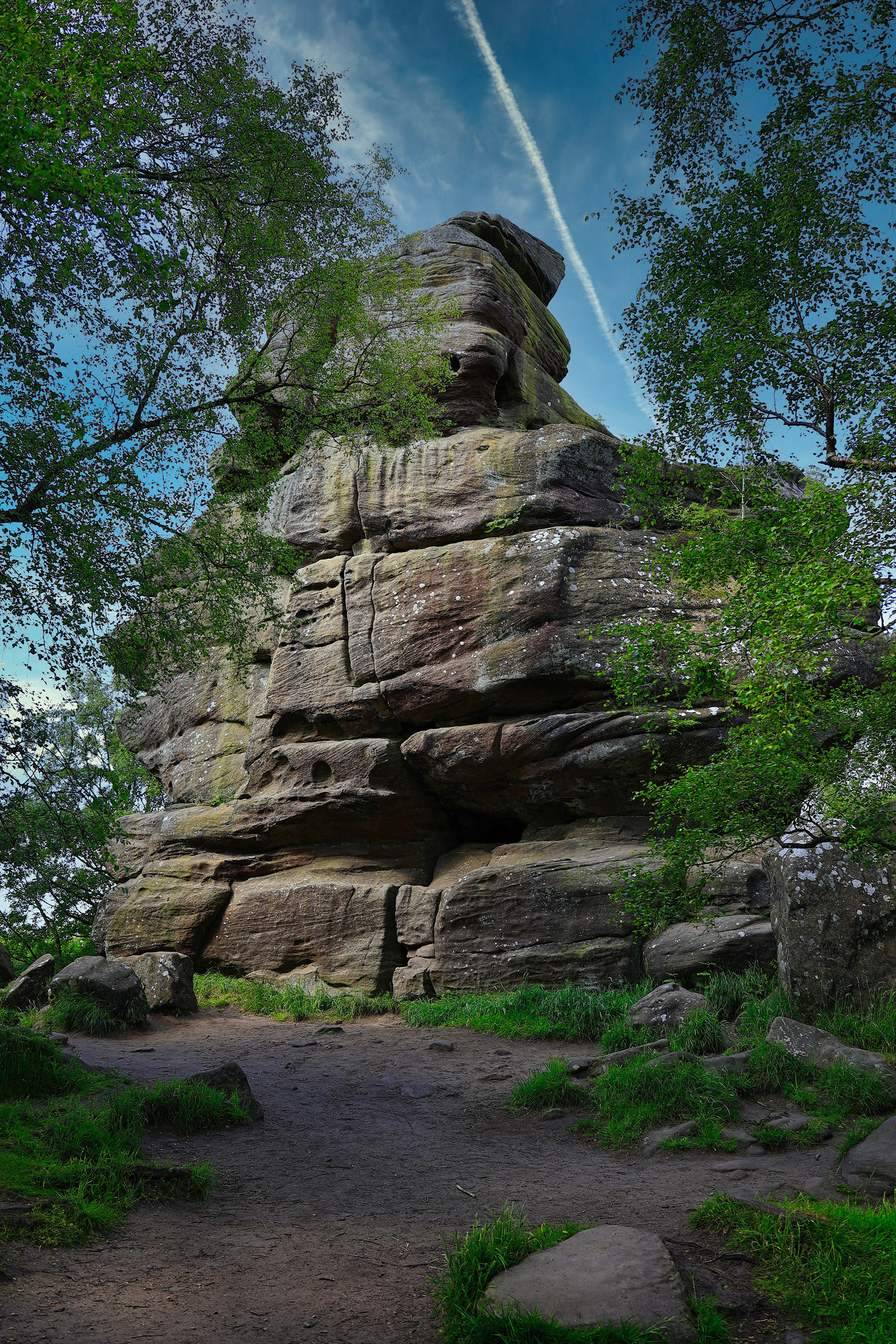
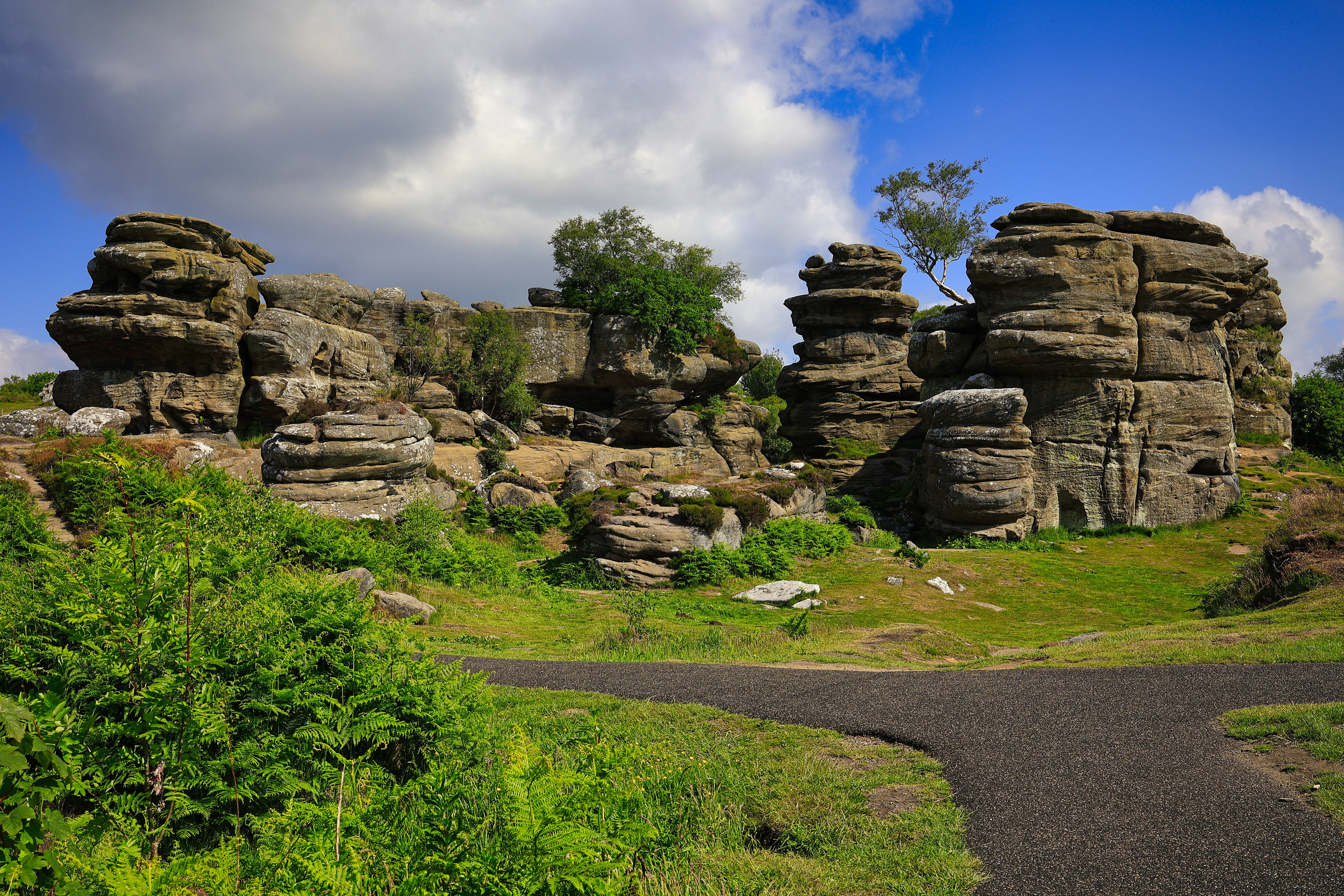
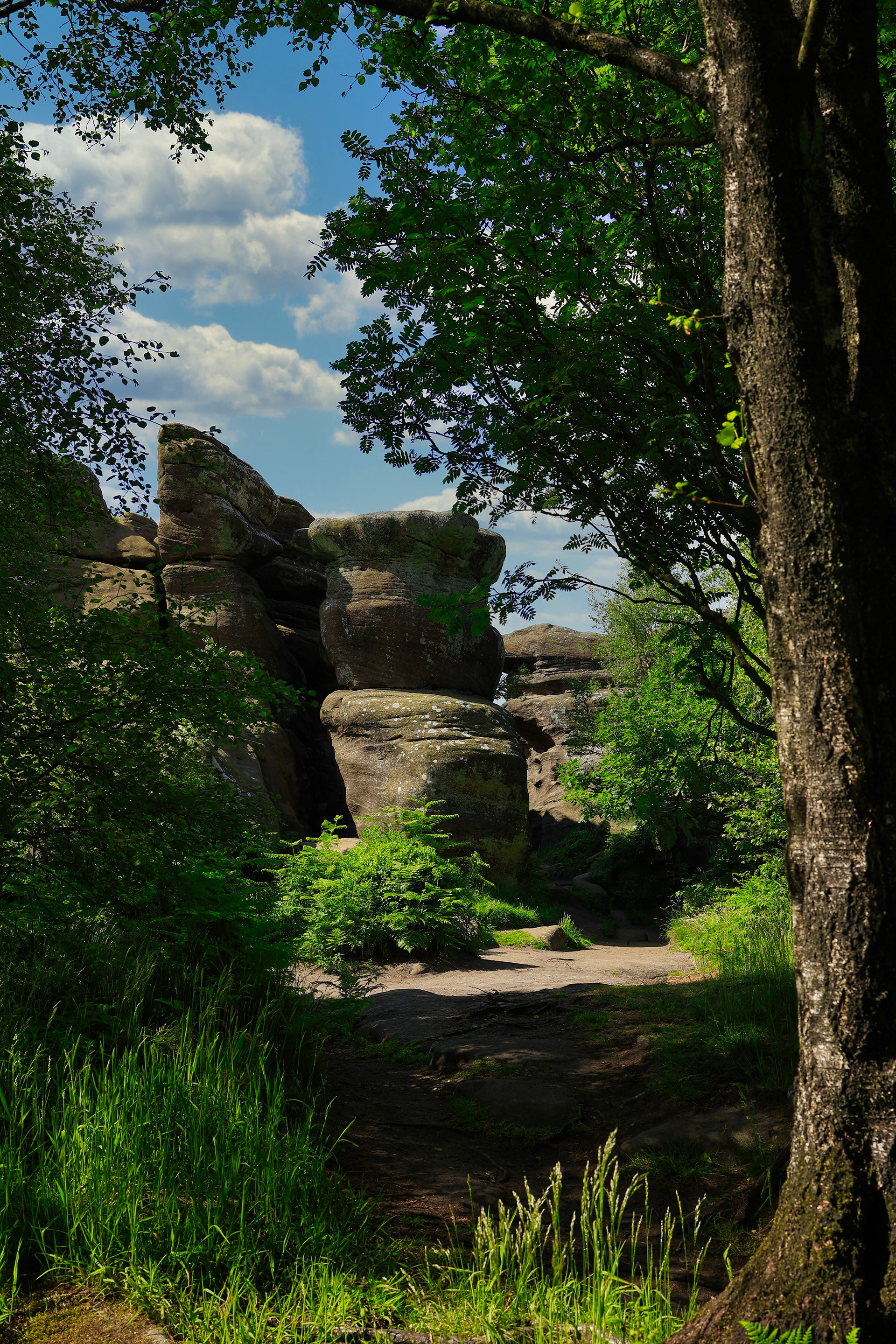
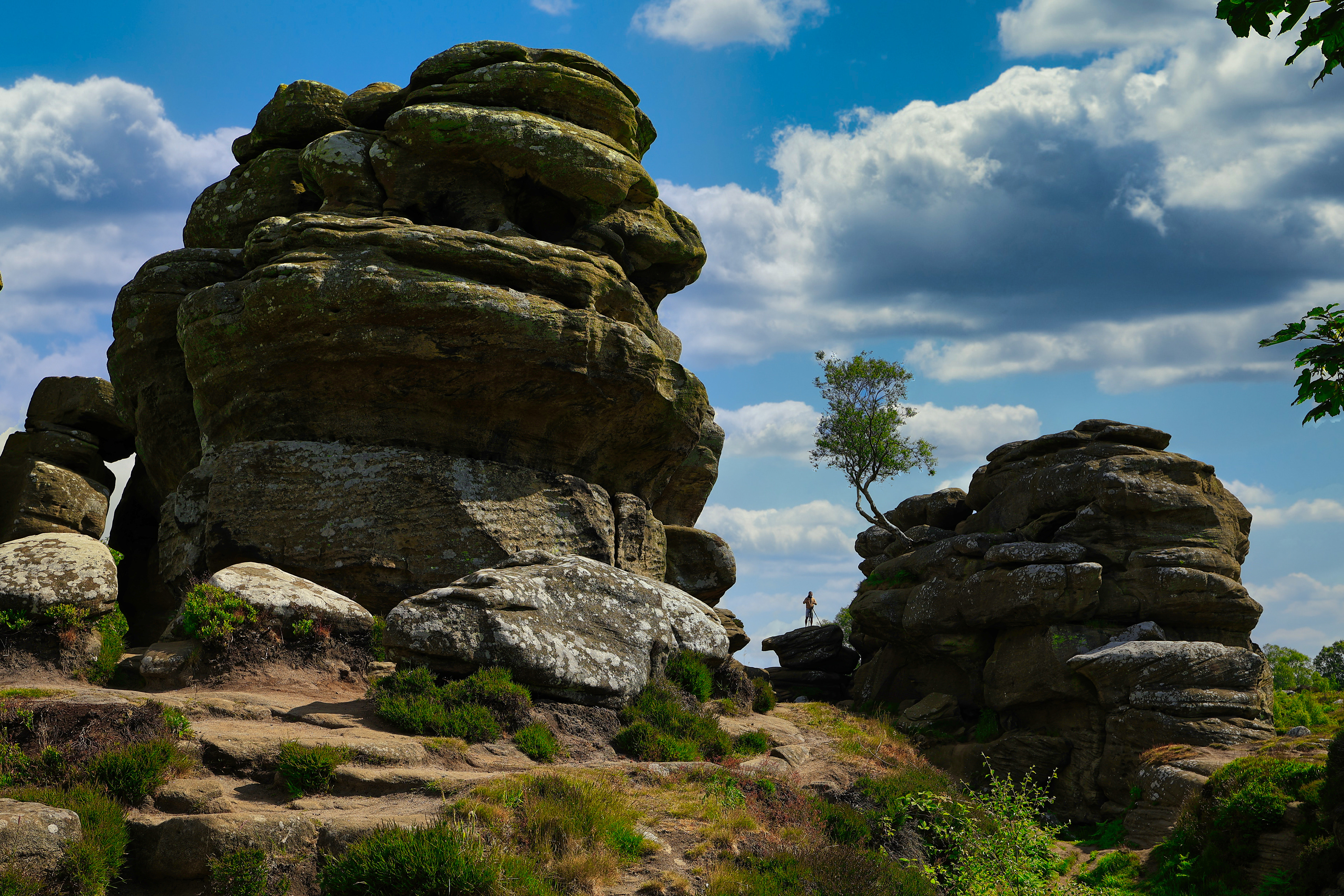
With the road gradually narrowing and the moorland opening up ahead, the journey led me into the quiet drama of Brimham Rocks, where the landscape unfolded step by step. First came the long walks across open heather, then the slow reveal of towering, wind-shaped stones balanced against the sky. As the light shifted, shadows stretched across the ground and each formation seemed to change character, inviting pauses to explore, climb, and frame photographs from new angles. The visit ended with wide views back across the Yorkshire countryside, a calm sense of scale settling in as the day drew to a close.
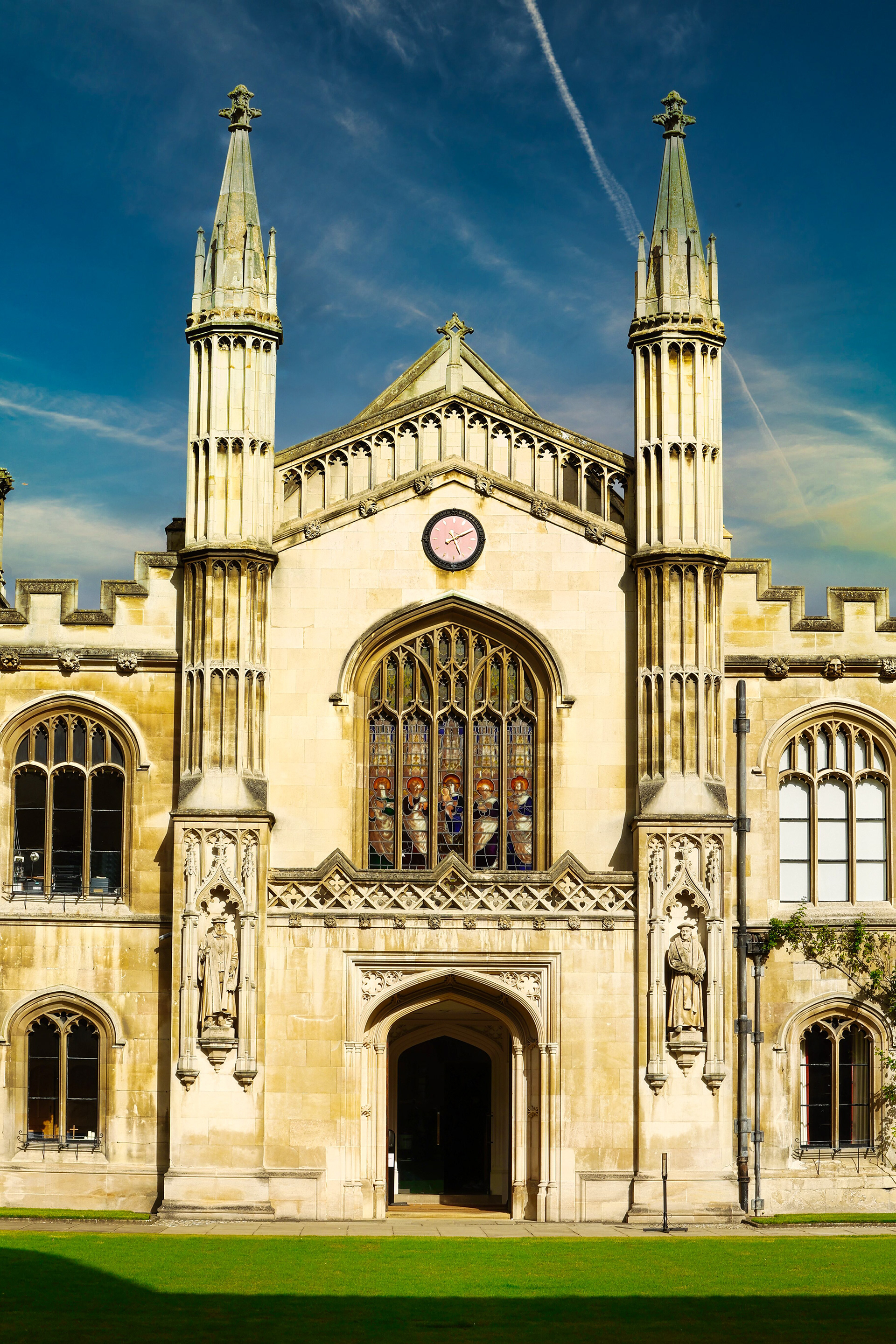
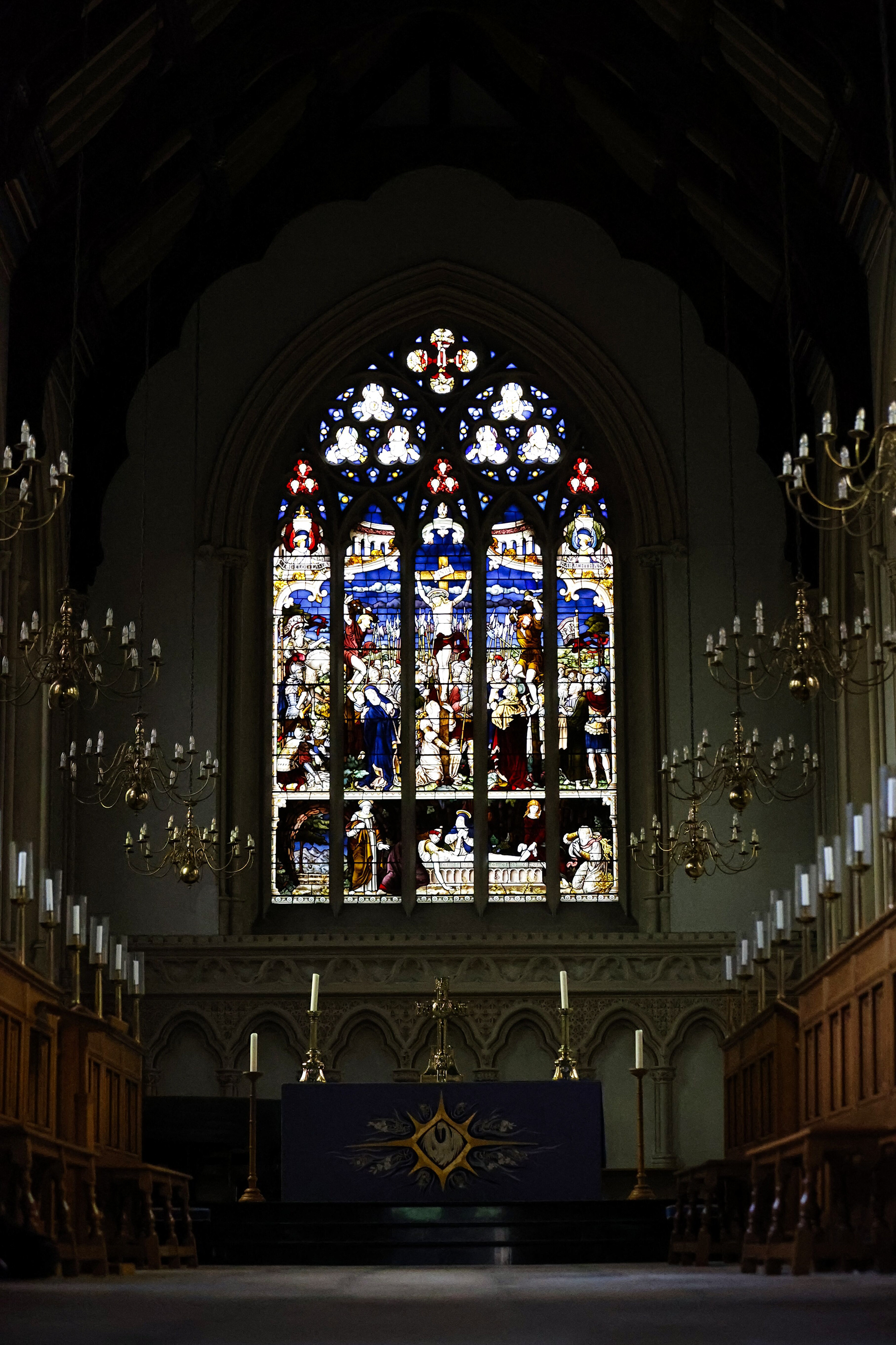
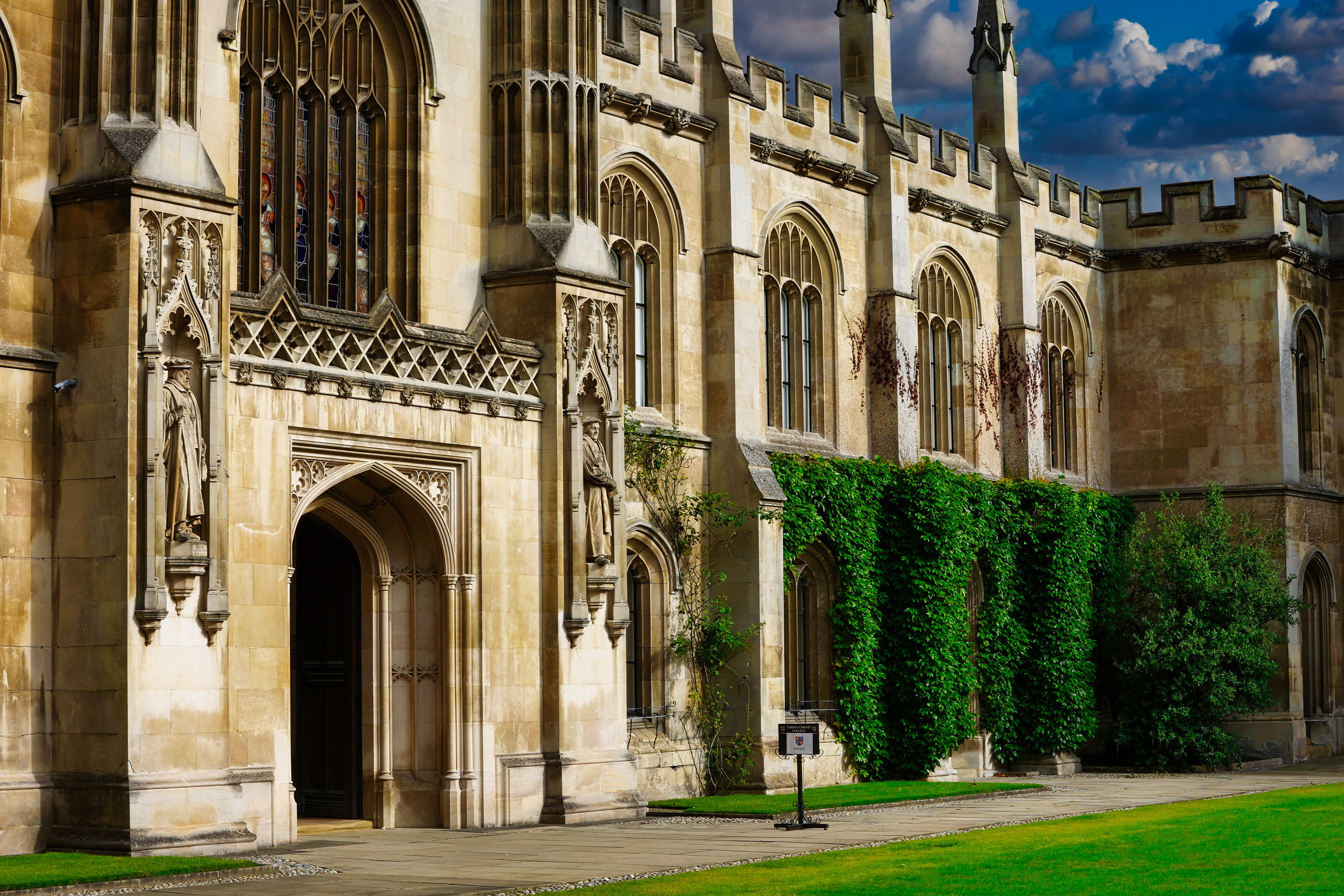
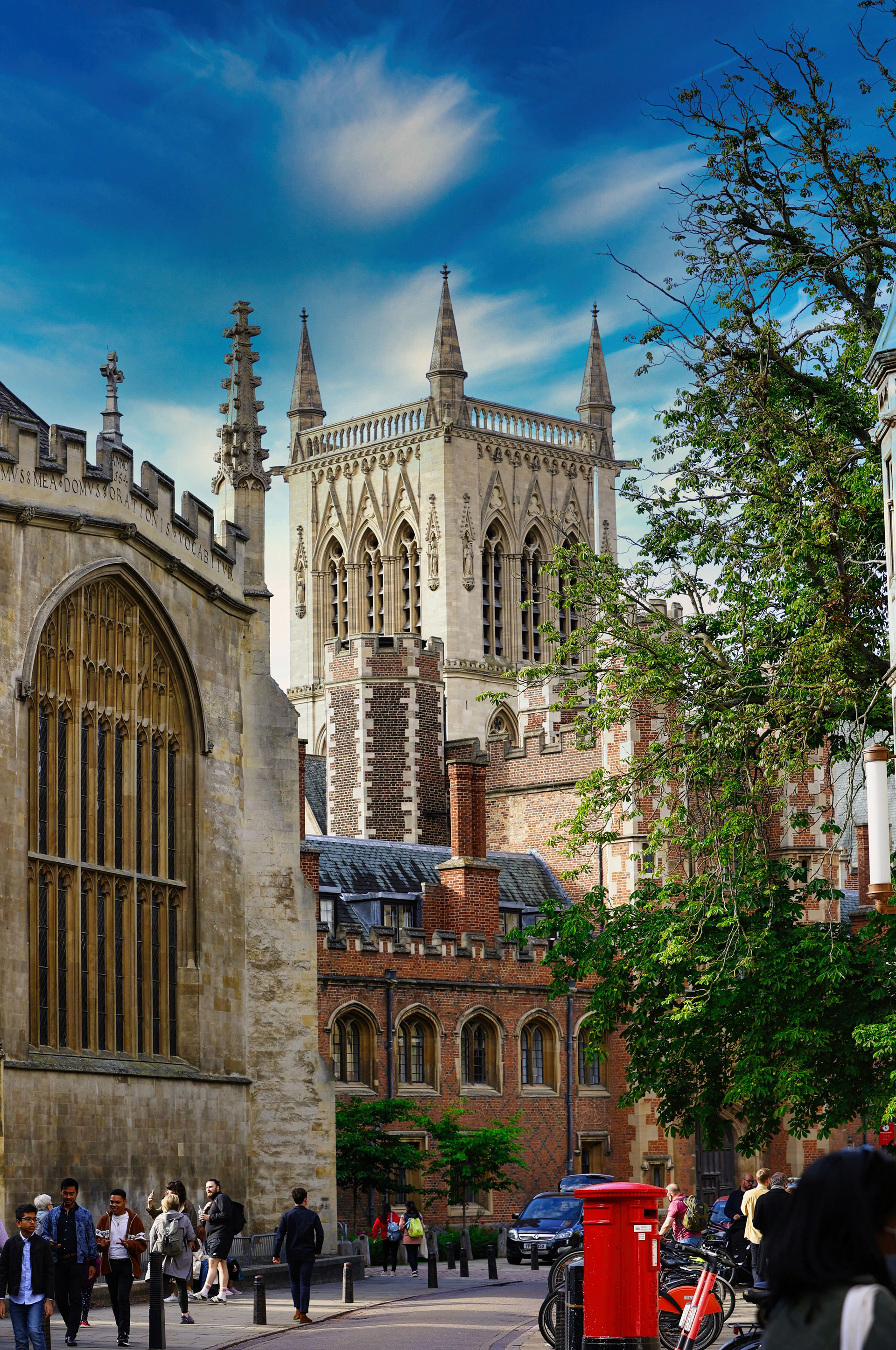
Arriving as the city slowly came to life, the day began with quiet walks past the honey-coloured stone of Cambridge, where college courtyards felt calm before the crowds gathered. Stepping inside, the focus shifted to the hushed interiors light pouring through stained-glass windows and settling gently across carved wood and stone. As the hours passed, the rhythm of the city grew busier, drawing me back outside to the streets, where bicycles, students, and passing conversations framed the historic architecture. The visit unfolded naturally from stillness to movement, ending with a sense of Cambridge as both a living city and a place shaped by centuries of learning.
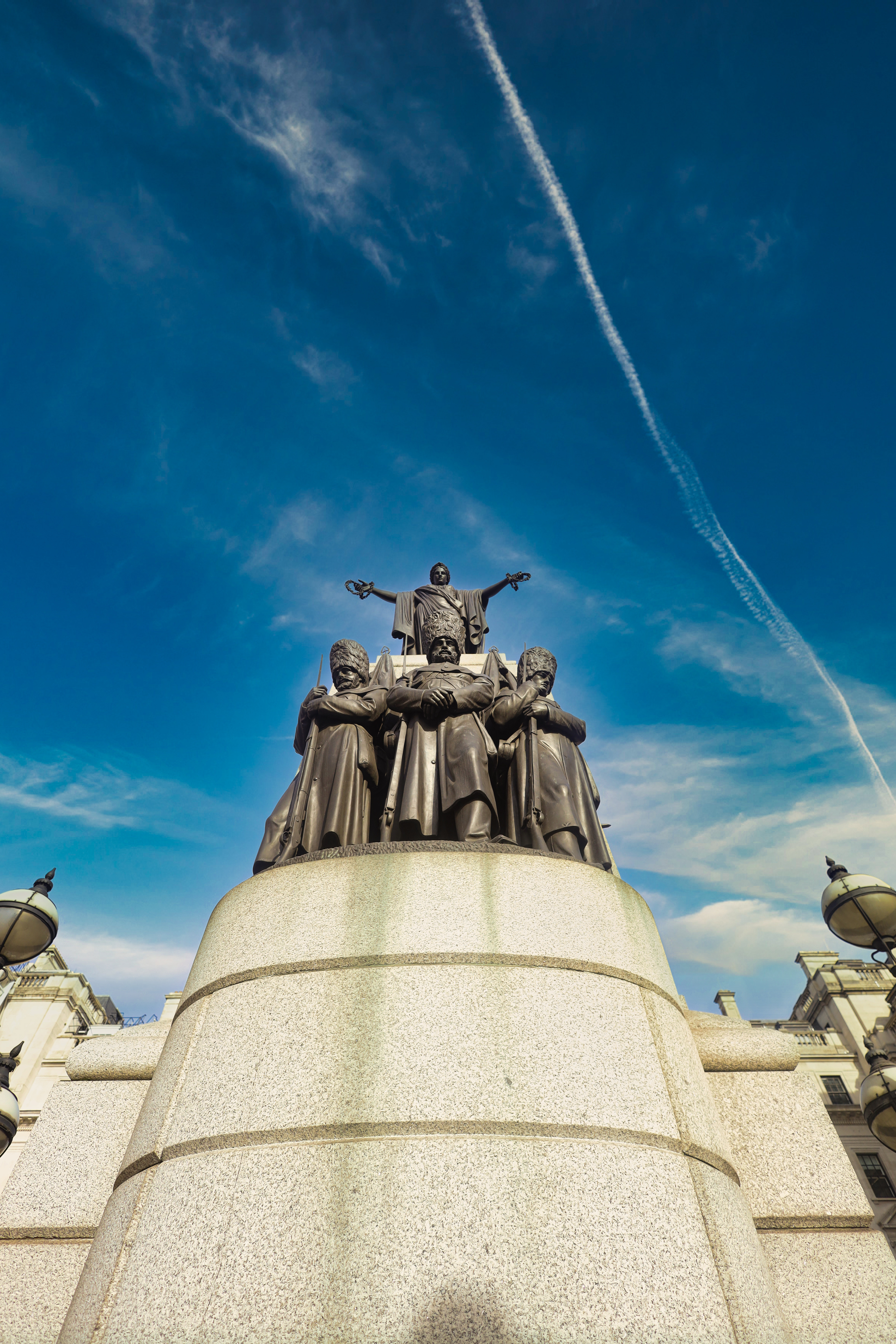
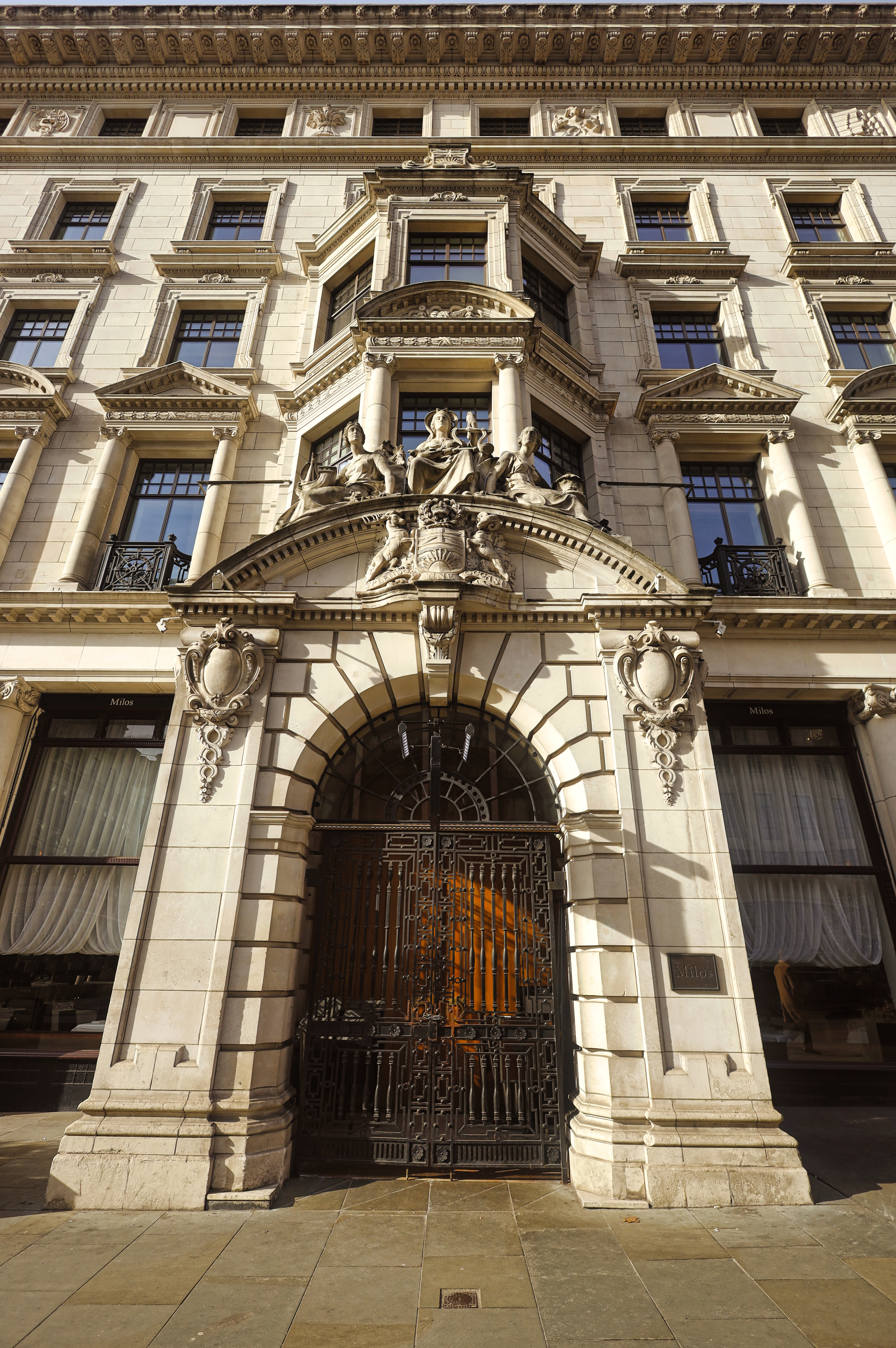
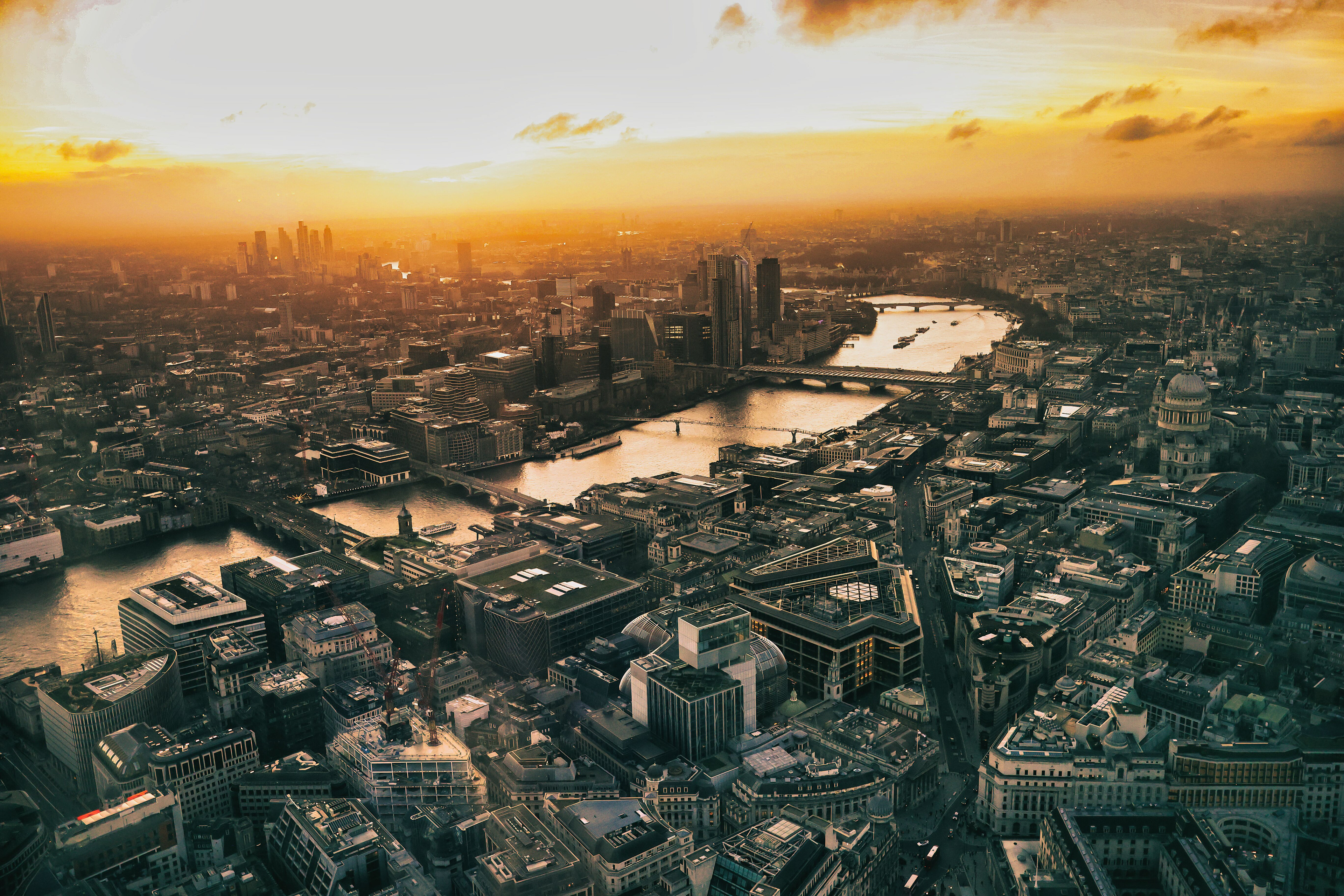
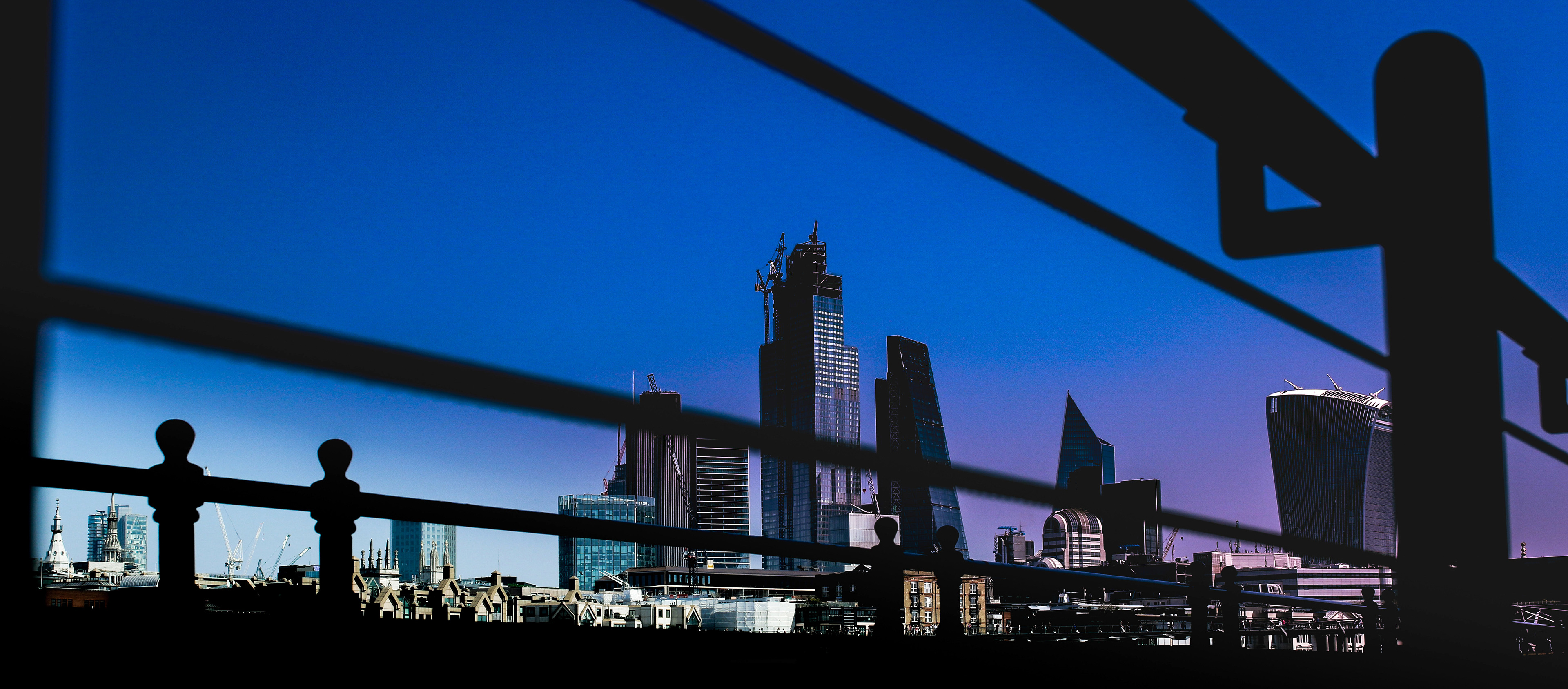
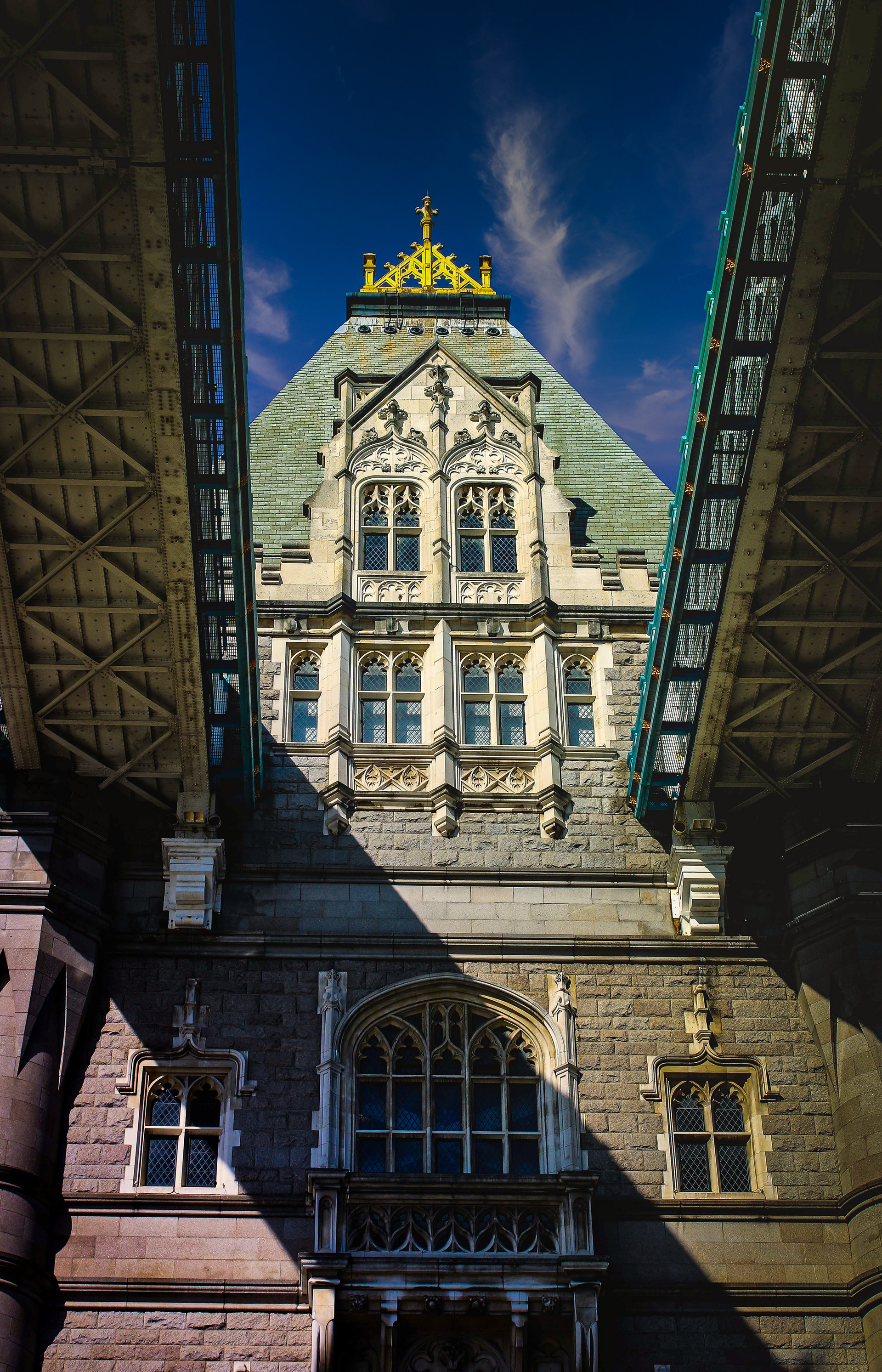
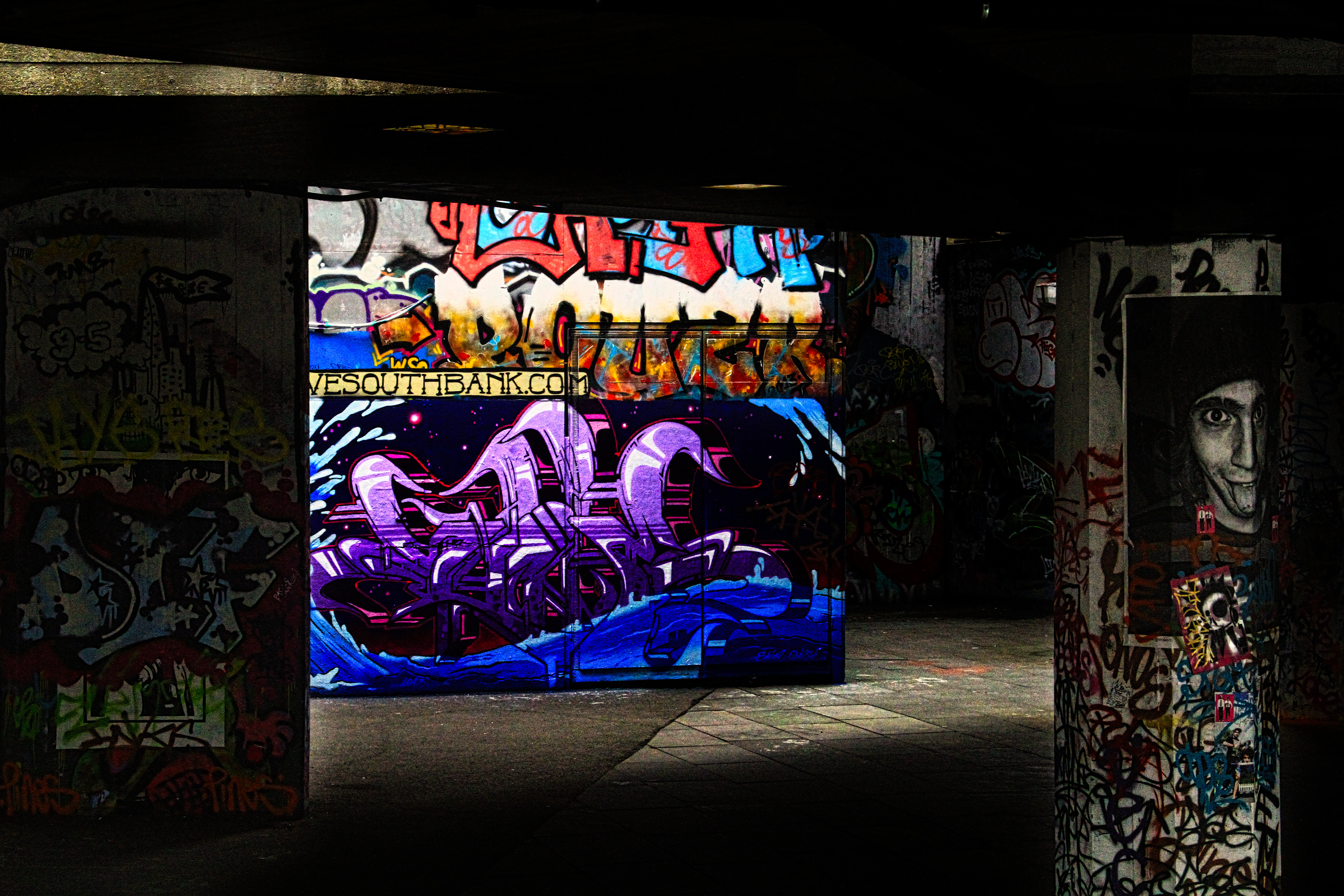
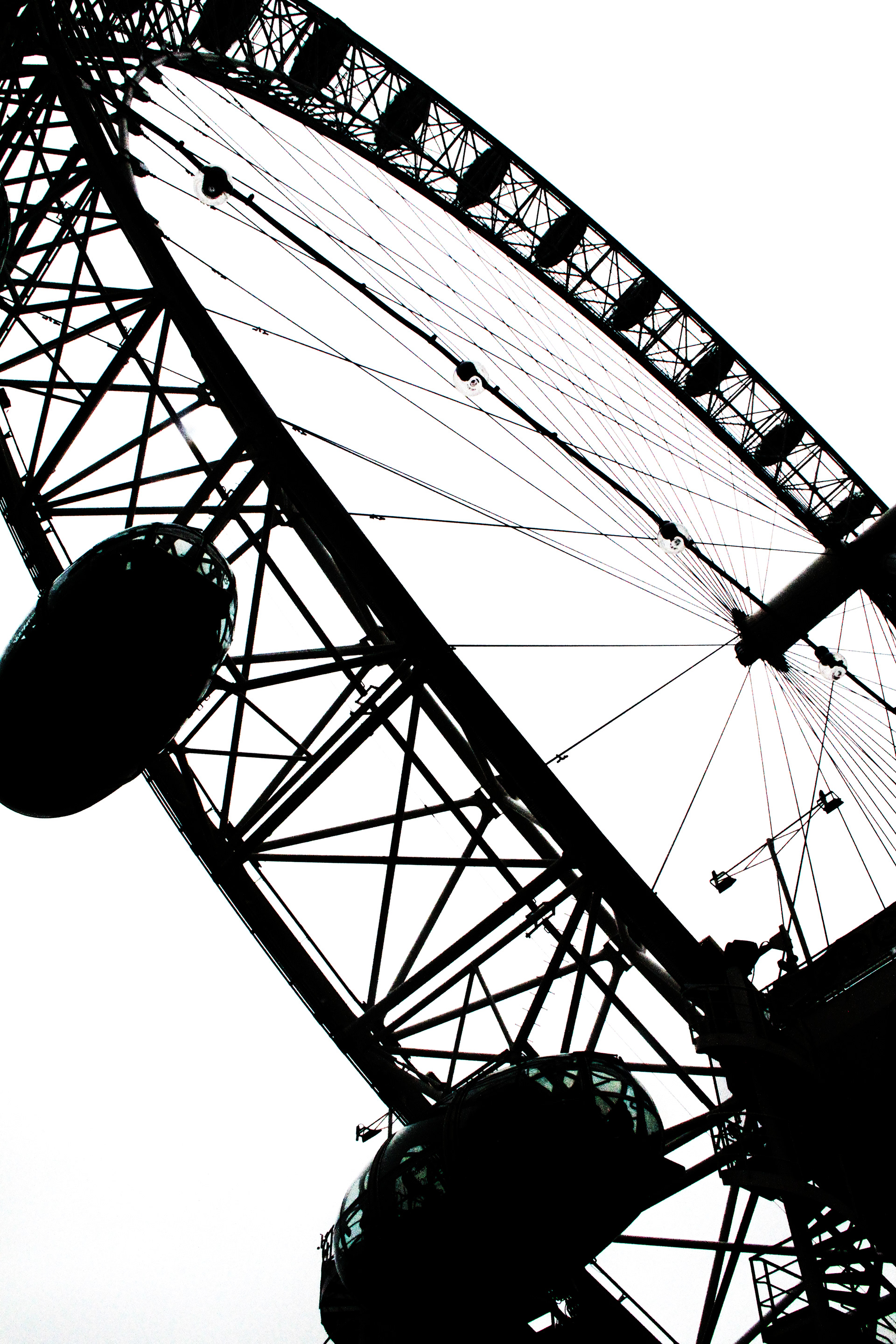
London reveals itself in layers ornate façades catching the morning light before the city opens outward along the Thames, where crossings like Tower Bridge frame a skyline in constant motion. As the day progresses, steel and glass rise into view the slow arc of the London Eye, the sharp curve of 20 Fenchurch Street while older silhouettes, from St Paul’s Cathedral, hold their ground between shadows and light. Moving through these contrasts becomes second nature: past and future overlapping, familiar yet restless, a city not simply observed but lived in, one frame at a time.
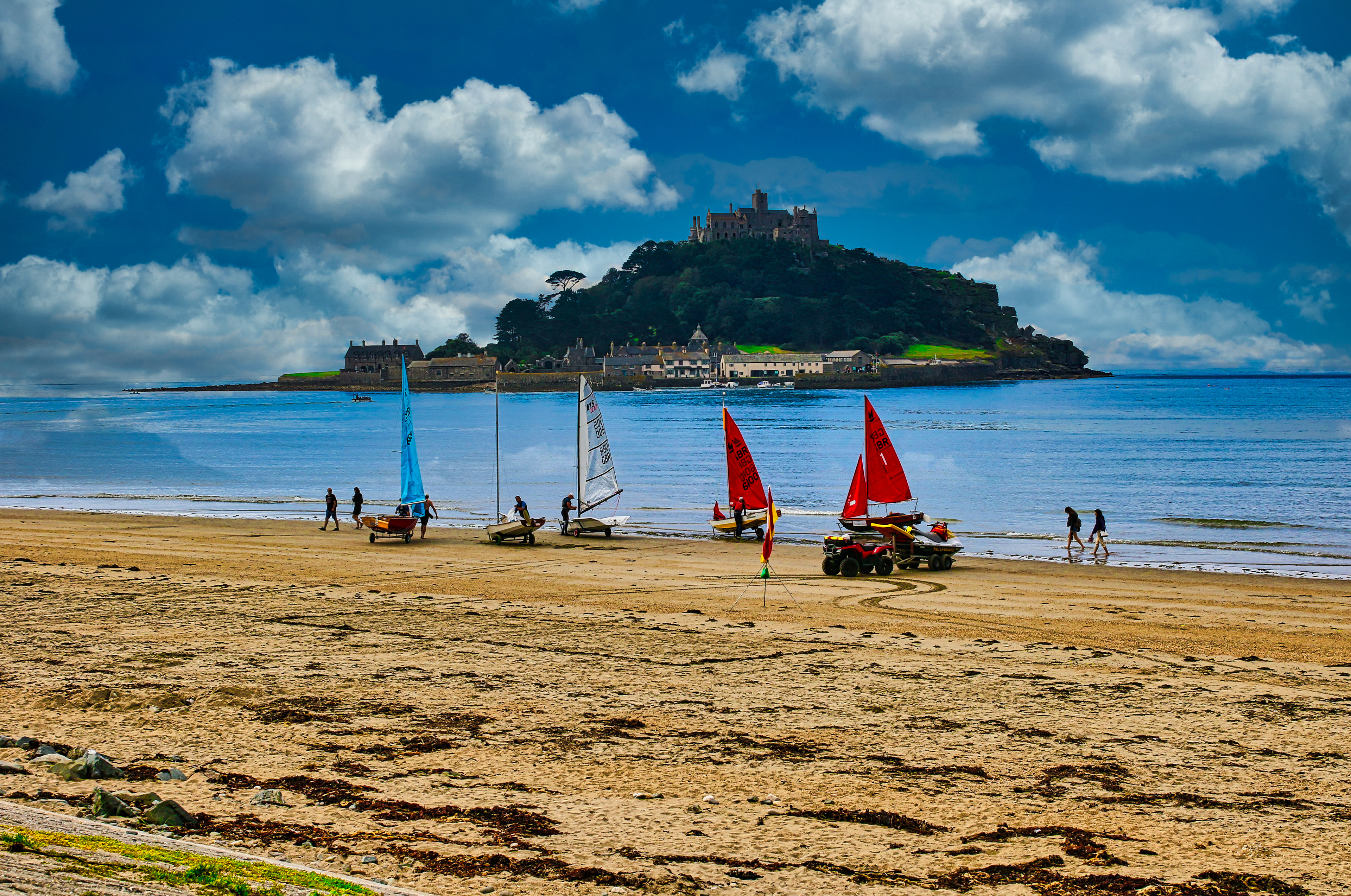
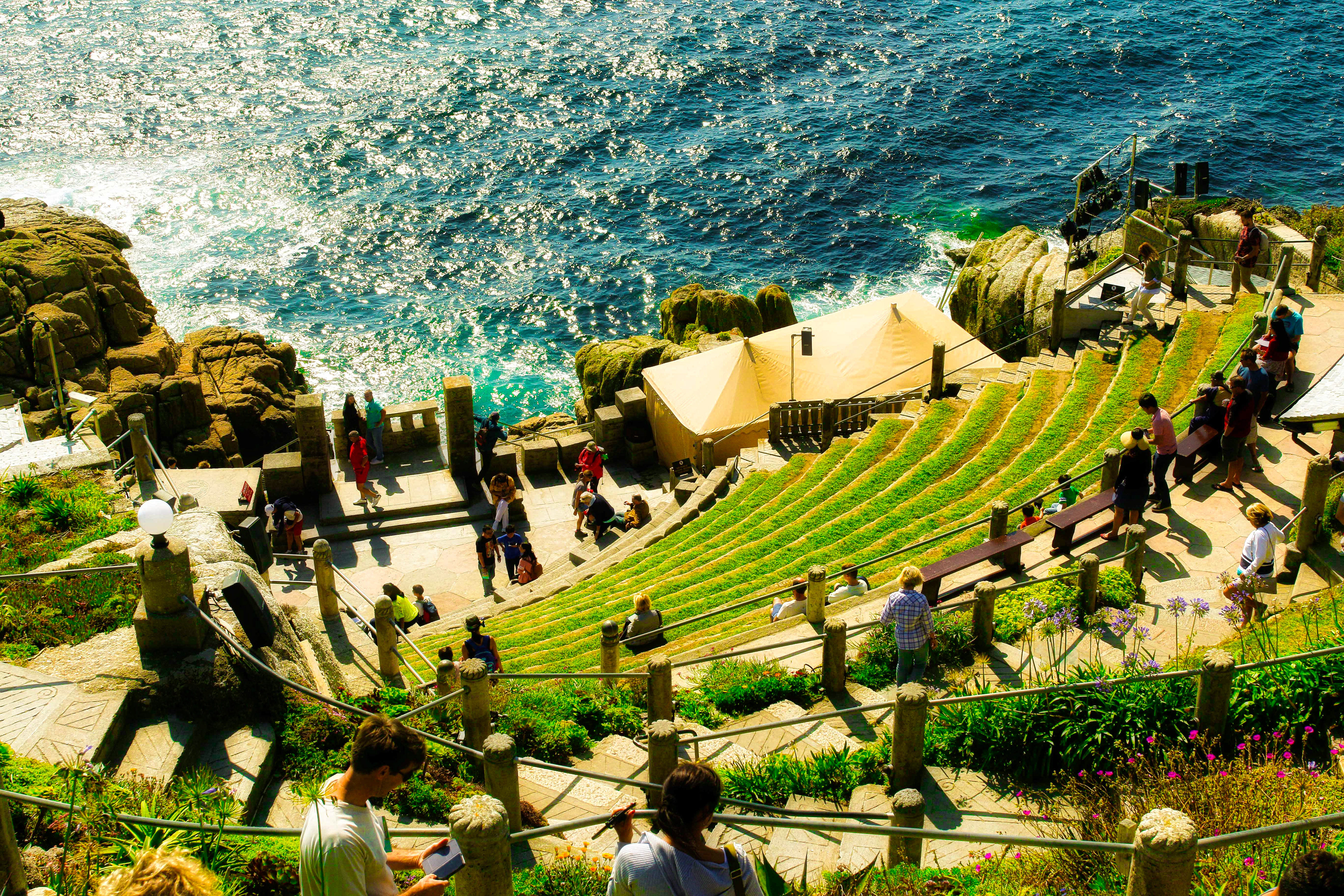
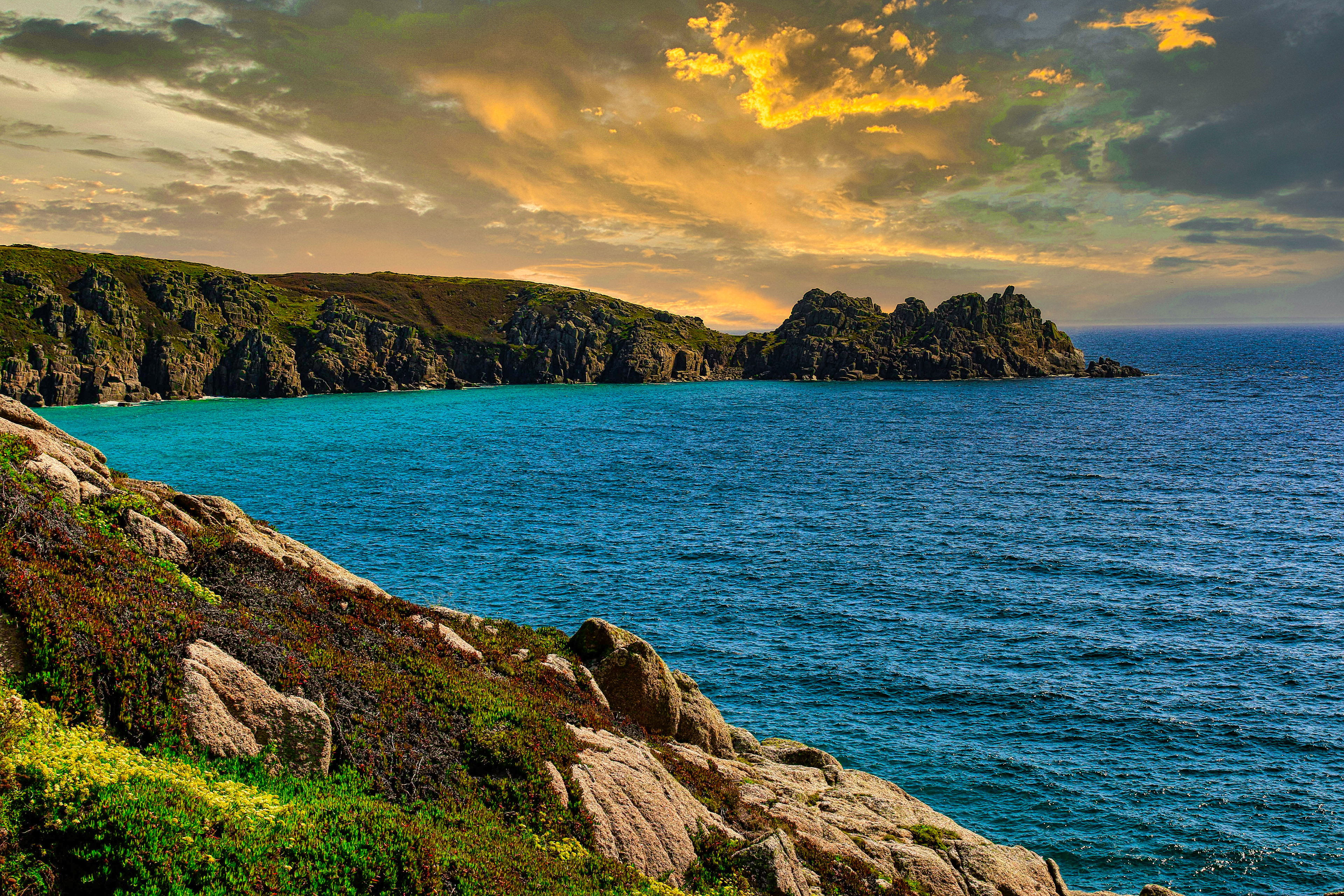
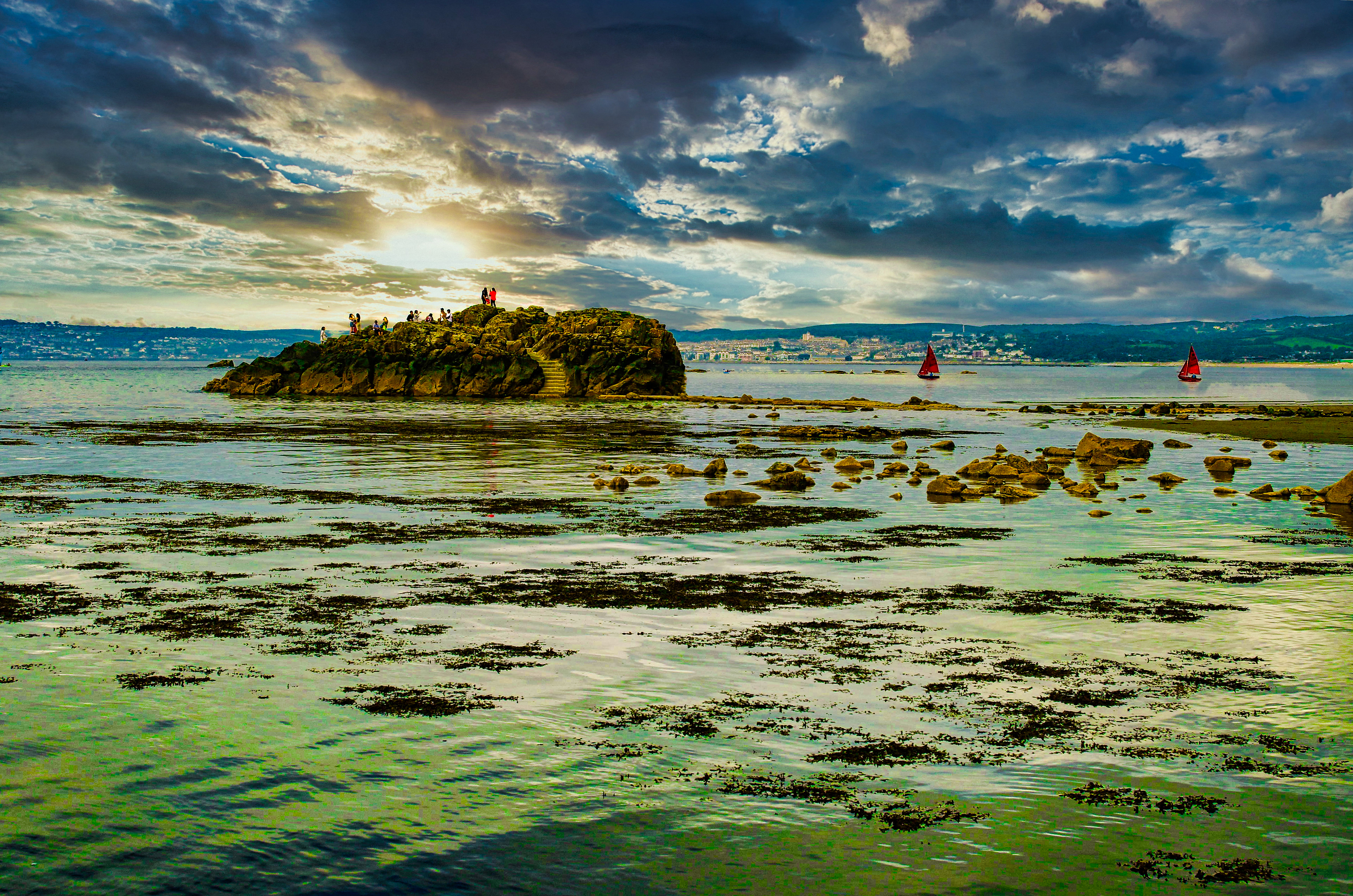
The journey unfolded along the coast as the sea first came into view, drawing me into Cornwall with its wide beaches and distant islands rising from the water. Golden sands stretched wide as the morning tide gently lapped against the shore, colourful sails lining the beach while St Michael’s Mount rose proudly from the sea in the distance. From there, the journey carried on along Cornwall’s rugged coastline, where the Minack Theatre clung dramatically to the cliffs above the turquoise Atlantic, waves crashing far below as visitors paused to take in the view. As the day unfolded, I followed winding coastal paths over granite headlands, the sea glowing beneath a sky painted with gold and amber hues at sunset. The trip ended quietly by the water, standing on rocky outcrops at low tide, watching small red sails drift across the horizon a perfect, unhurried finale to Cornwall’s wild and beautiful charm.
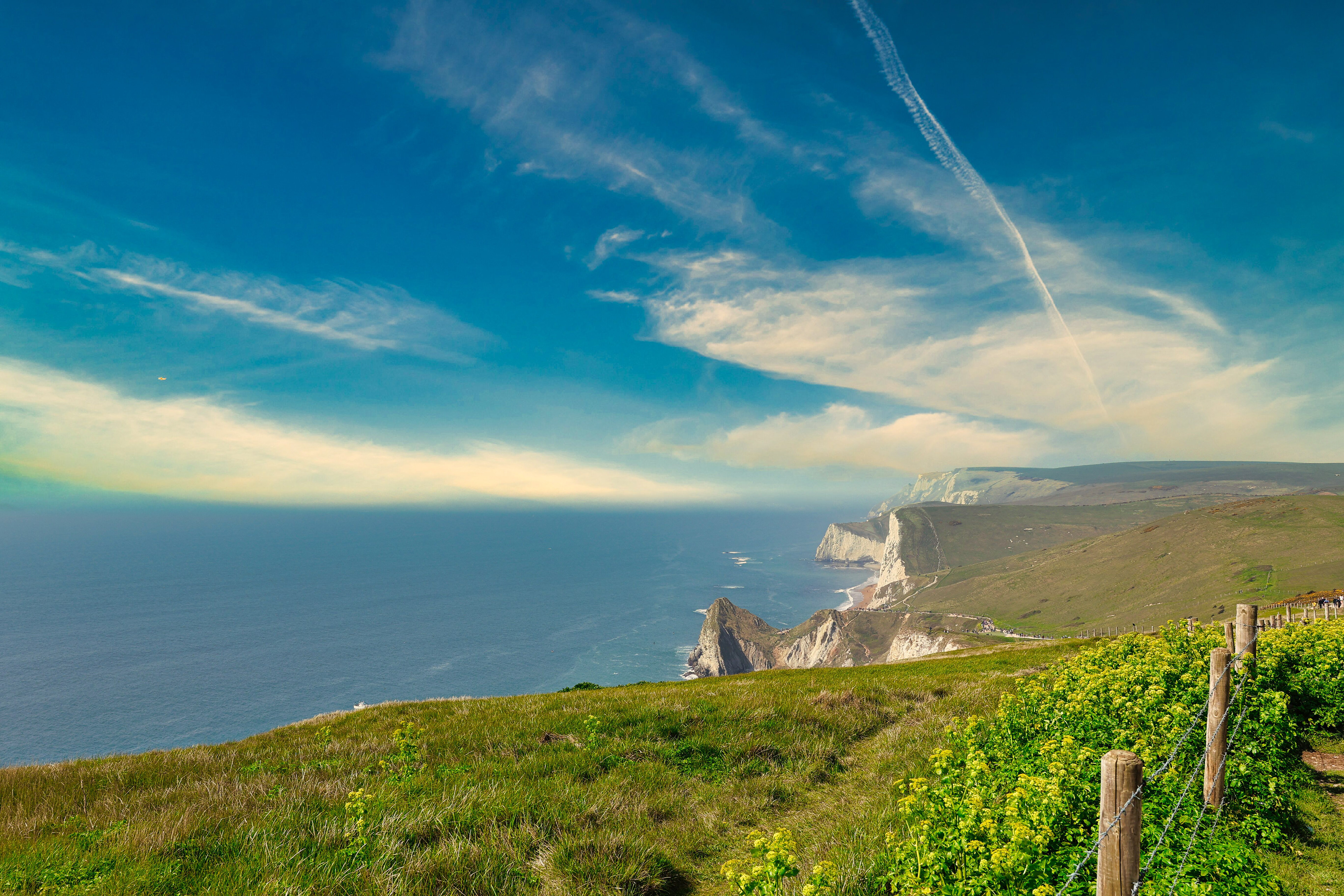
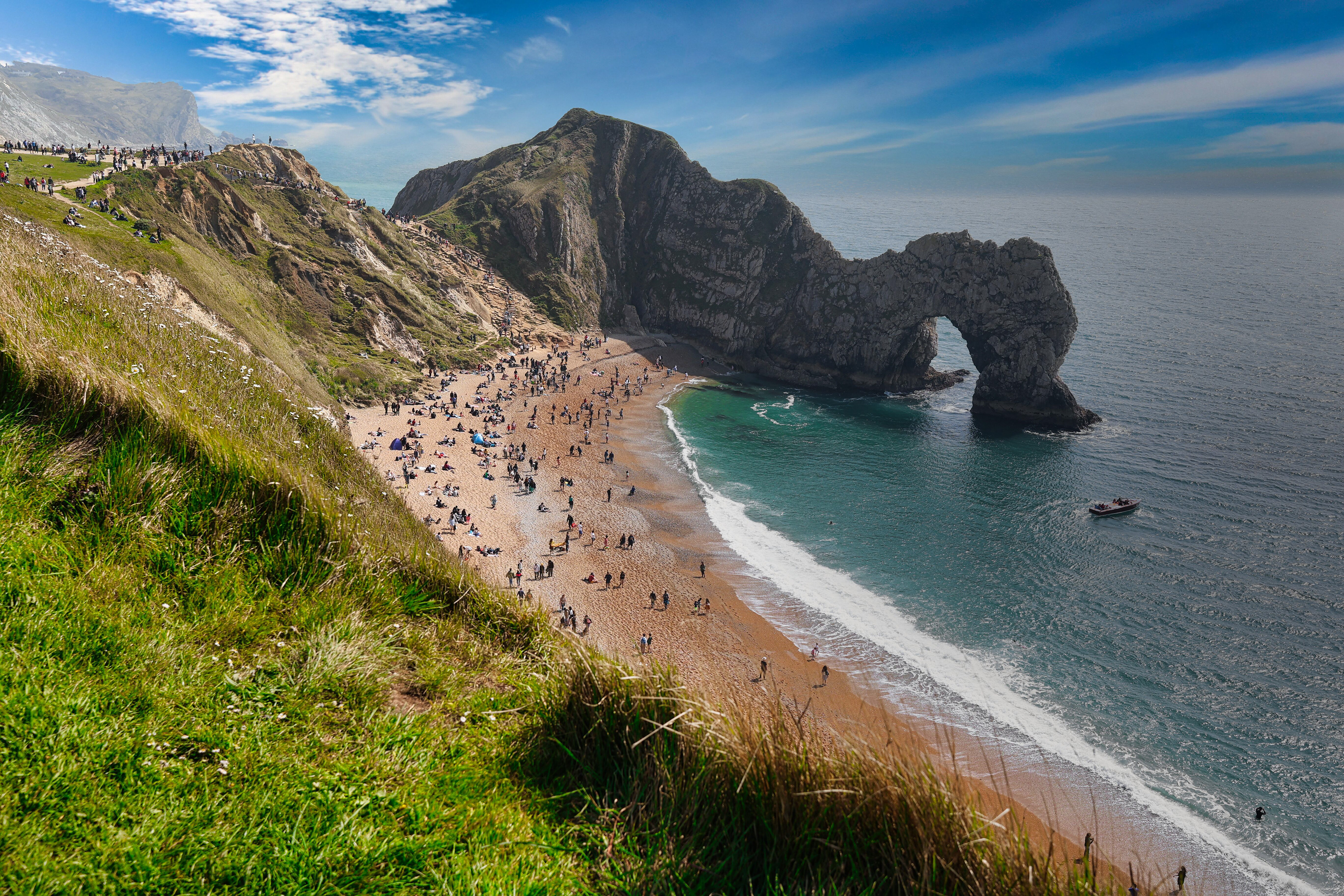
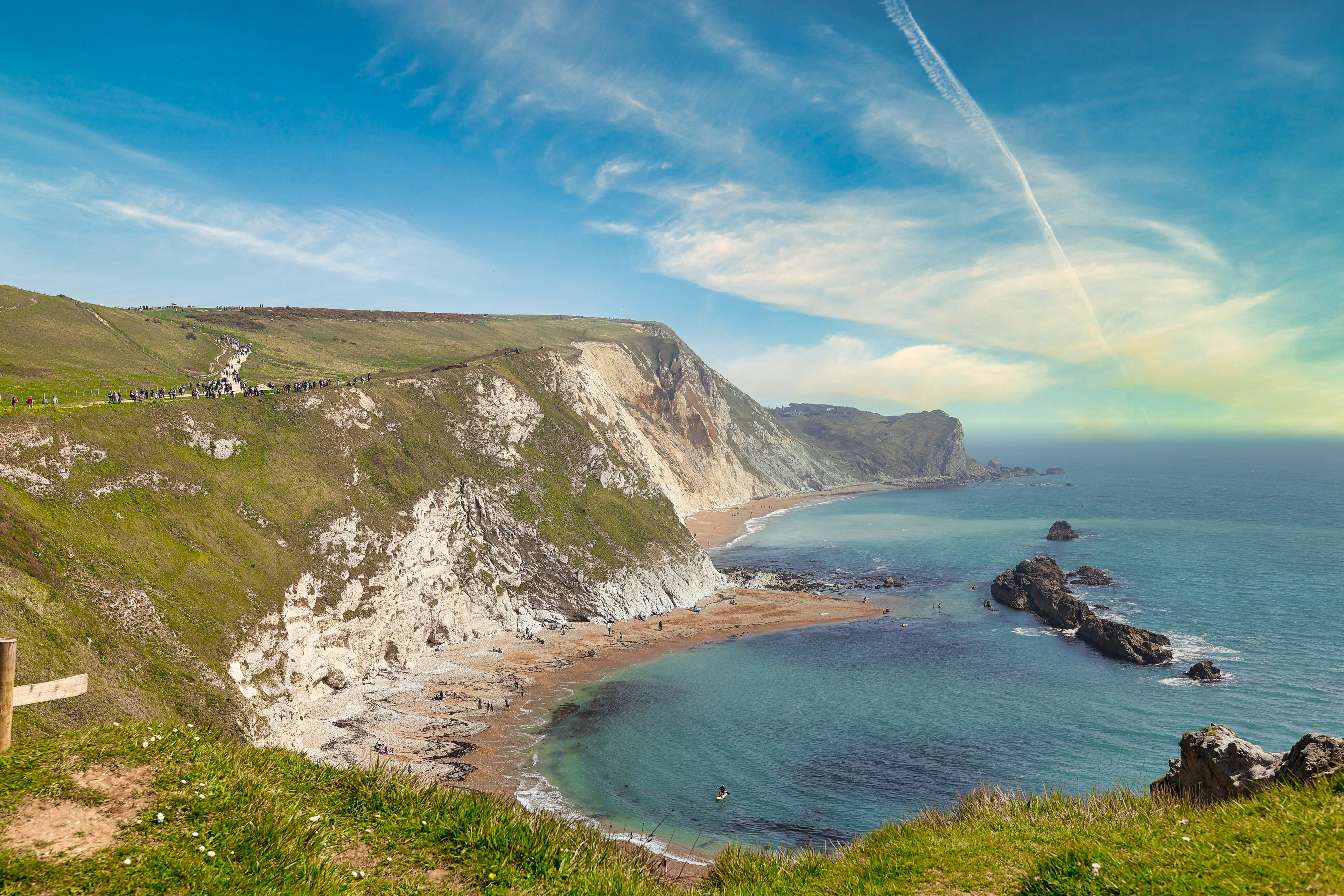
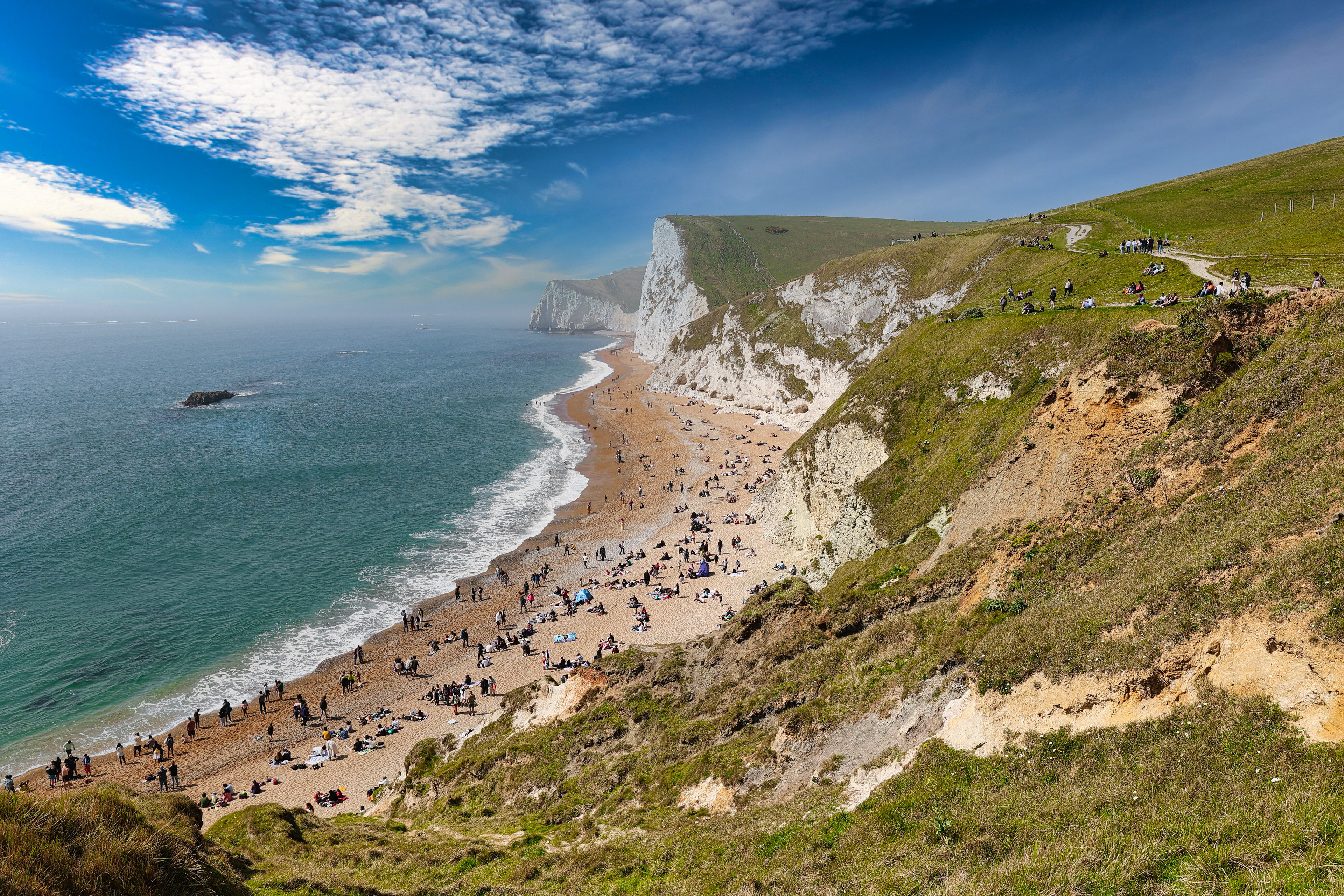
The walk began high above the coastline, where the path slowly revealed sweeping views across the sea before descending toward Durdle Door. With each step closer, the scale of the cliffs became clearer, the chalk faces dropping sharply into turquoise water below. Reaching the beach, the iconic stone arch framed the horizon as waves rolled steadily onto the shore, filling the moment with movement and sound. As time passed, light shifted across the bay, and the visit ended looking back up toward the clifftops, the journey naturally closing where it first began above the sea, with the coastline stretching away behind me.
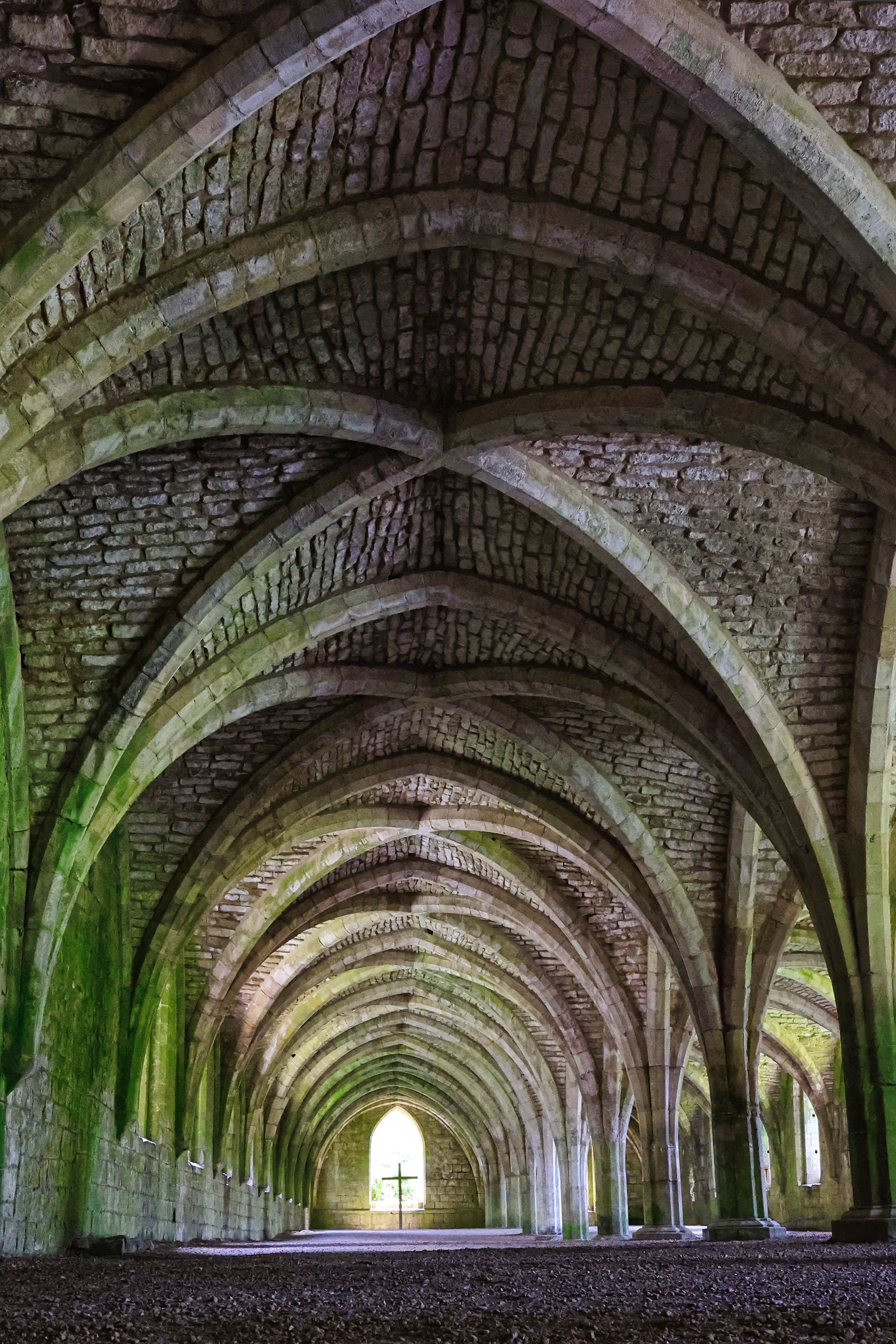
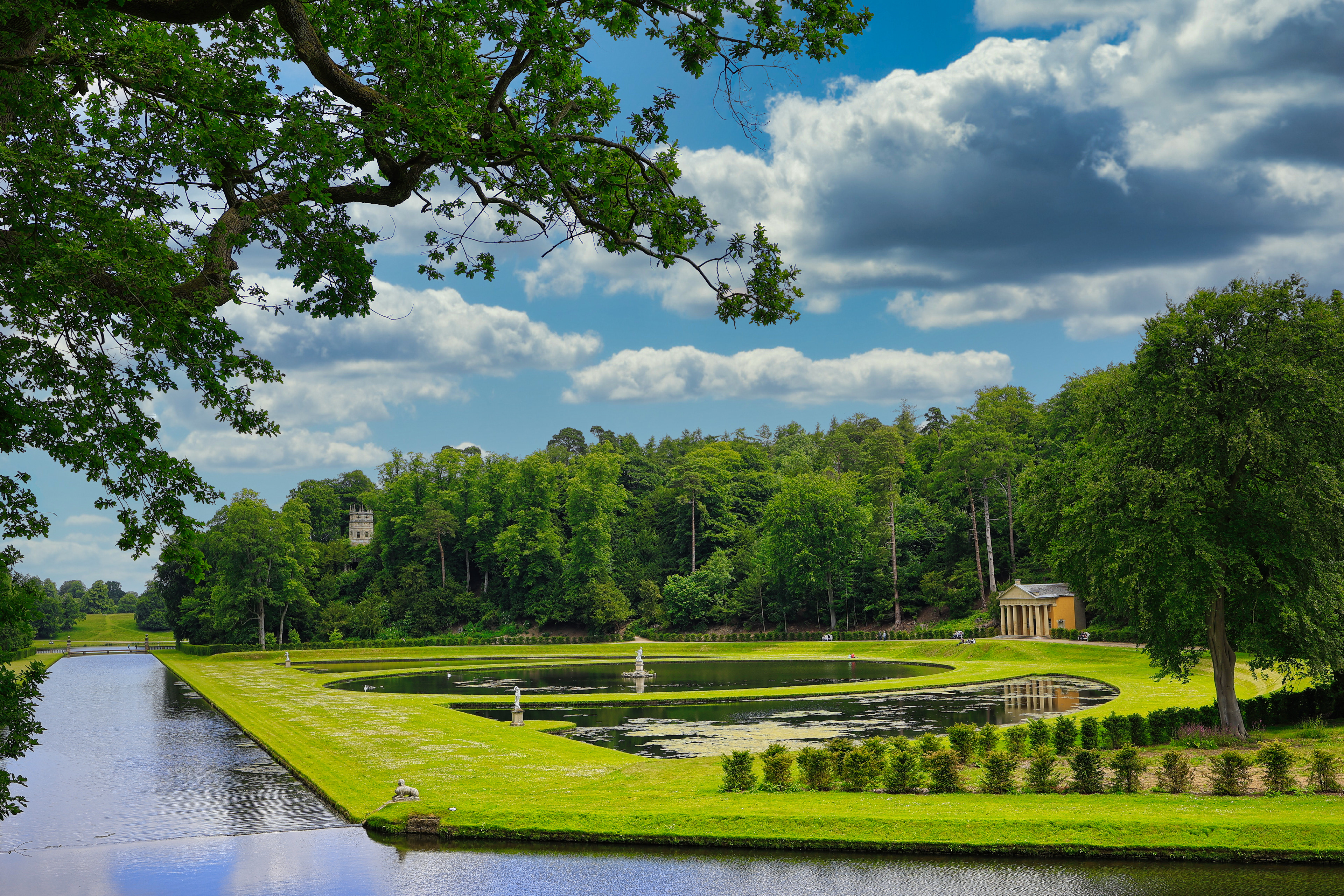
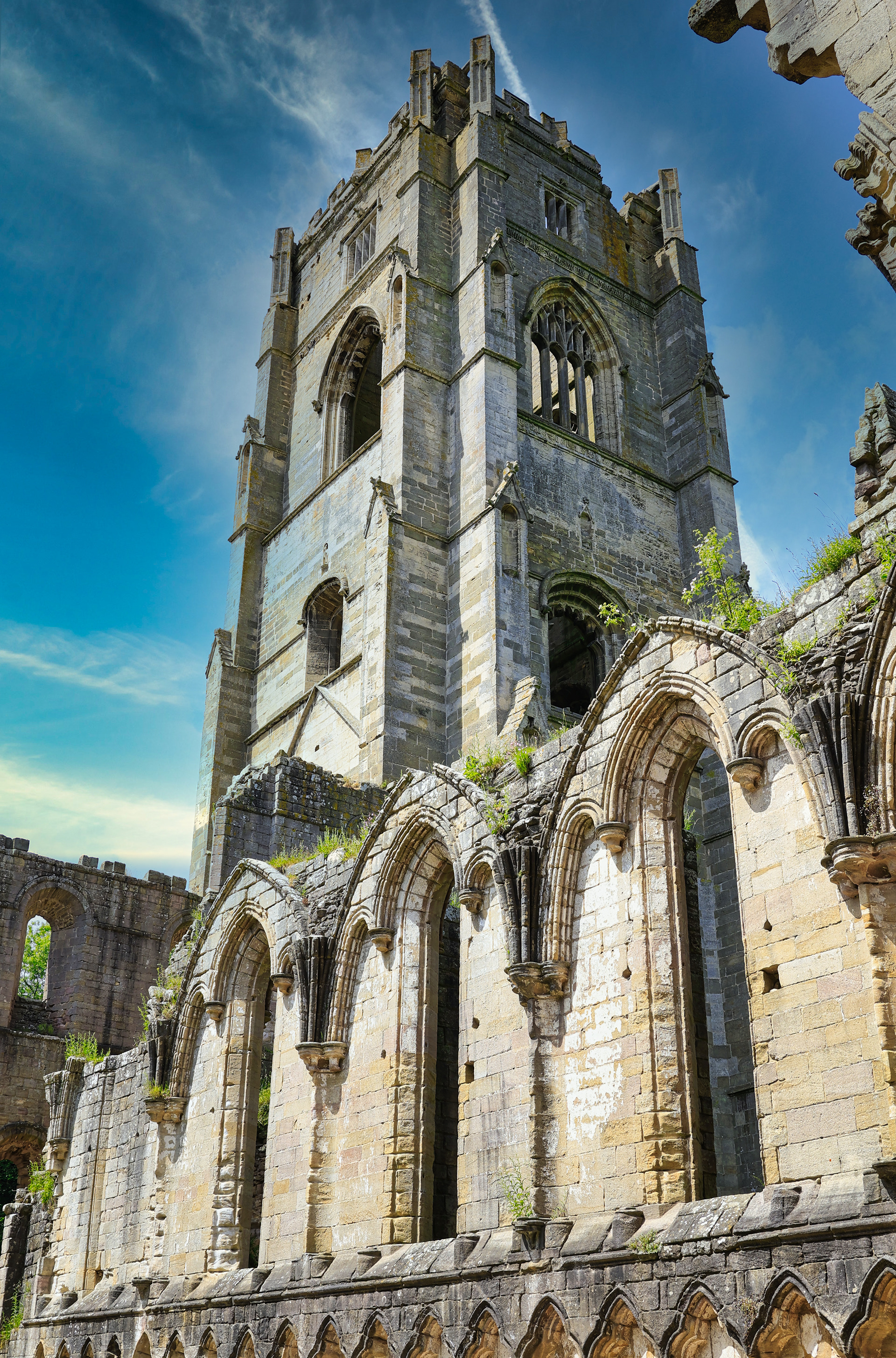
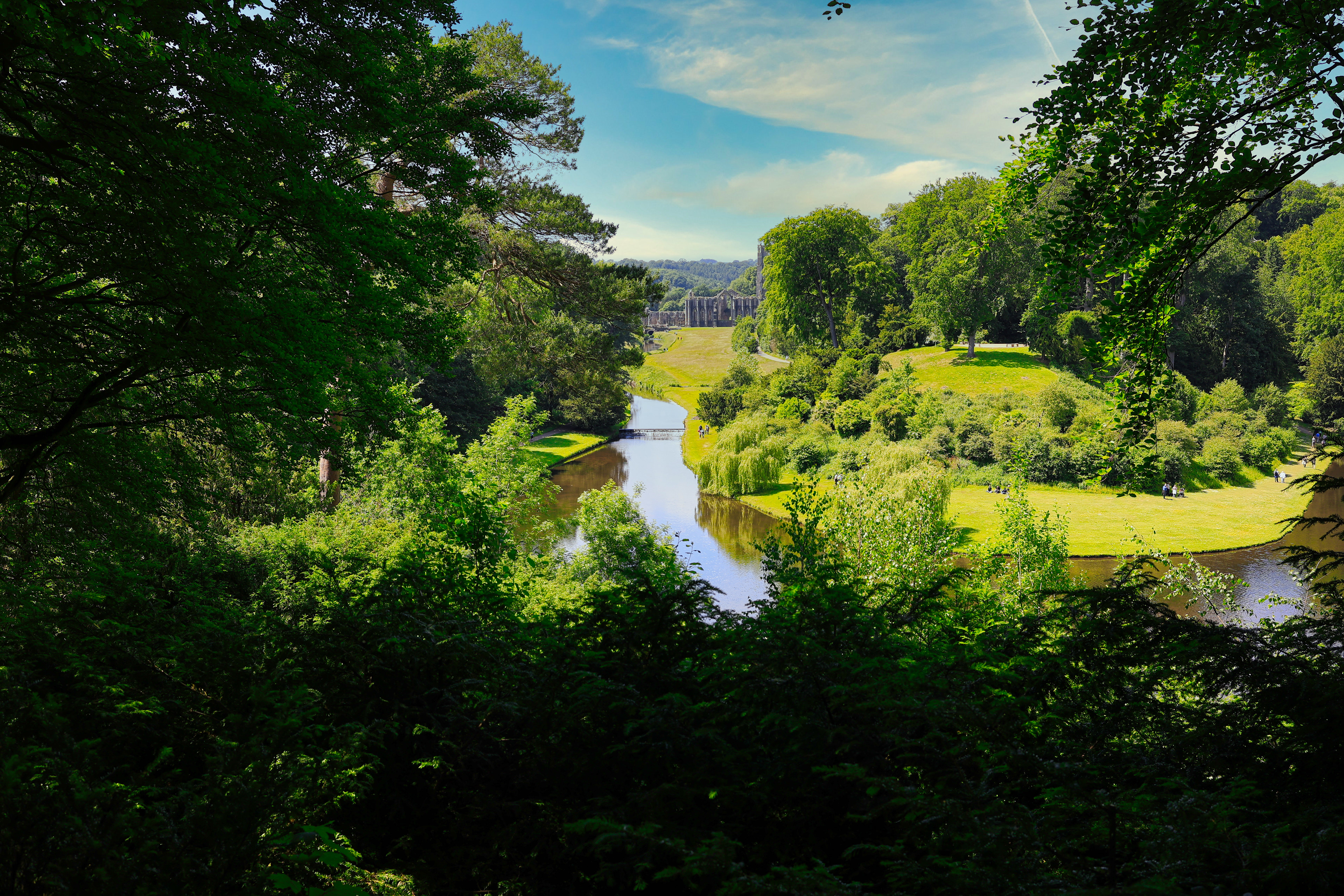
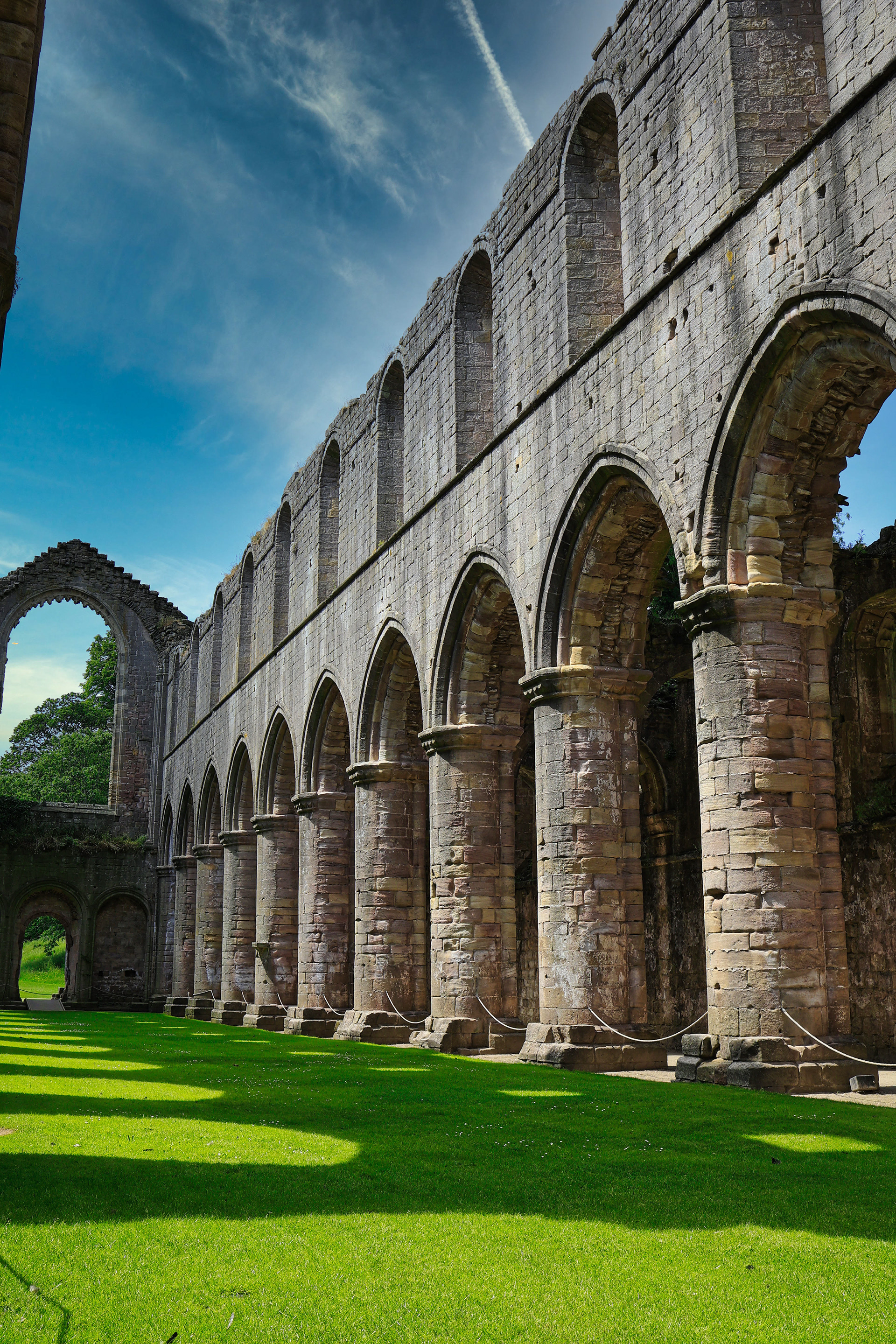
Framed first by height and stone, the day opened beneath the towering remains of Fountains Abbey, where light filtered through broken arches and the vaulted ceilings drew the eye forward, step by step, into silence and symmetry. From the cool geometry of the cloisters, the journey unfolded outward into openness, following the gentle pull of water and woodland paths toward Studley Royal Water Garden. There, reflection replaced reverence as long canals, sculpted lawns, and distant follies revealed themselves gradually, each turn offering balance between nature and design. The day closed in calm alignment ruin to refinement, shadow to sunlight an unhurried passage through history shaped as much by movement as by stillness.
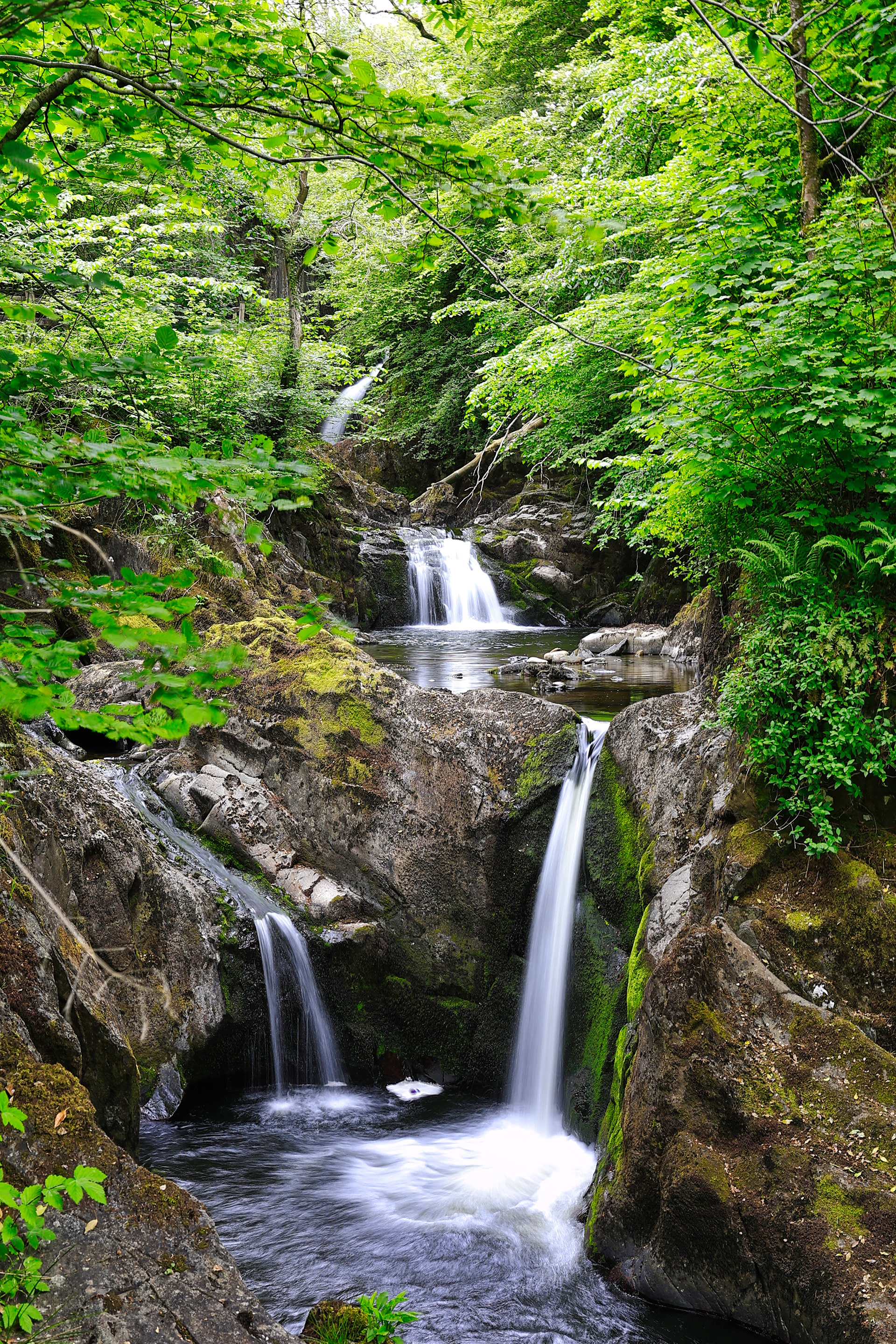
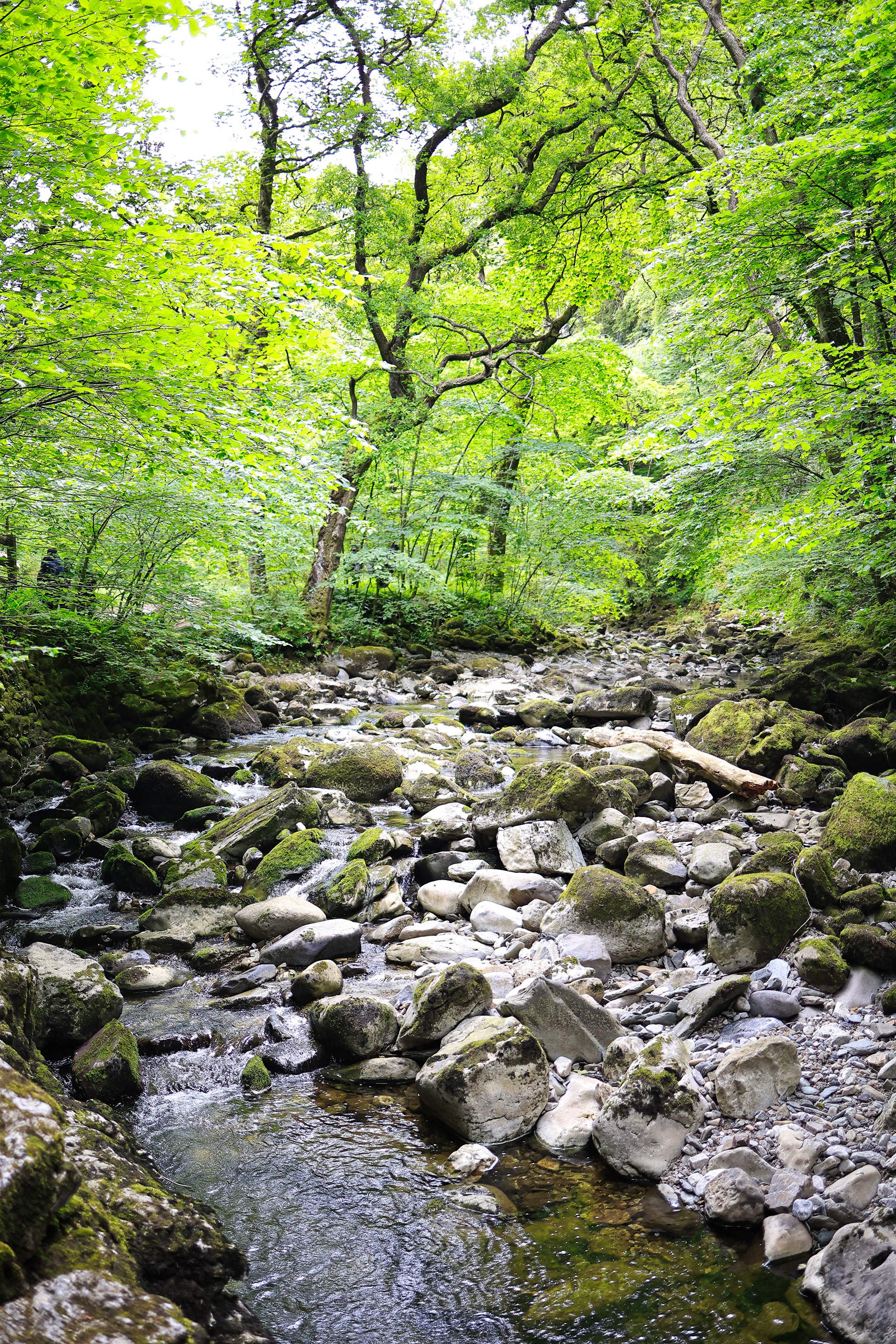
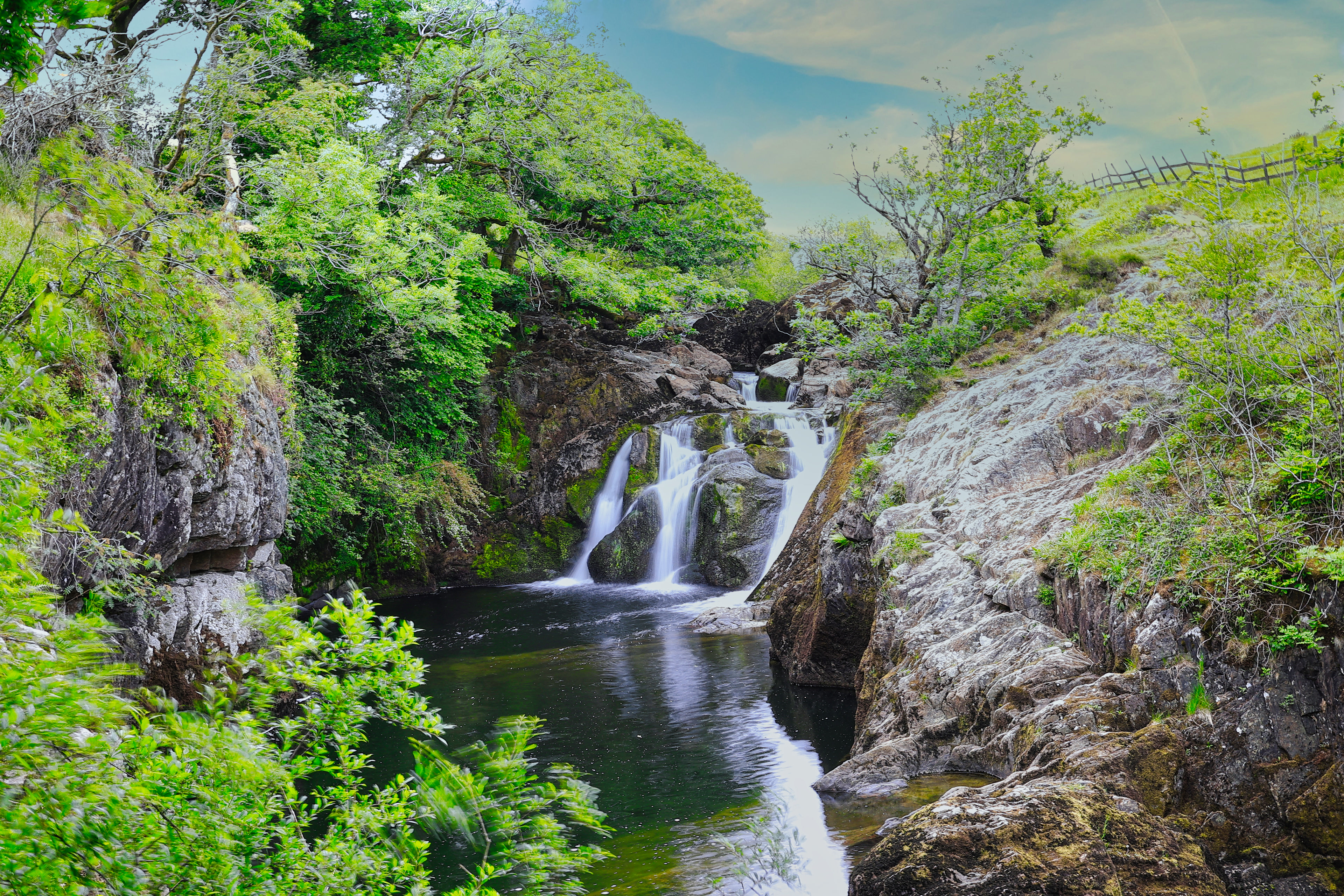
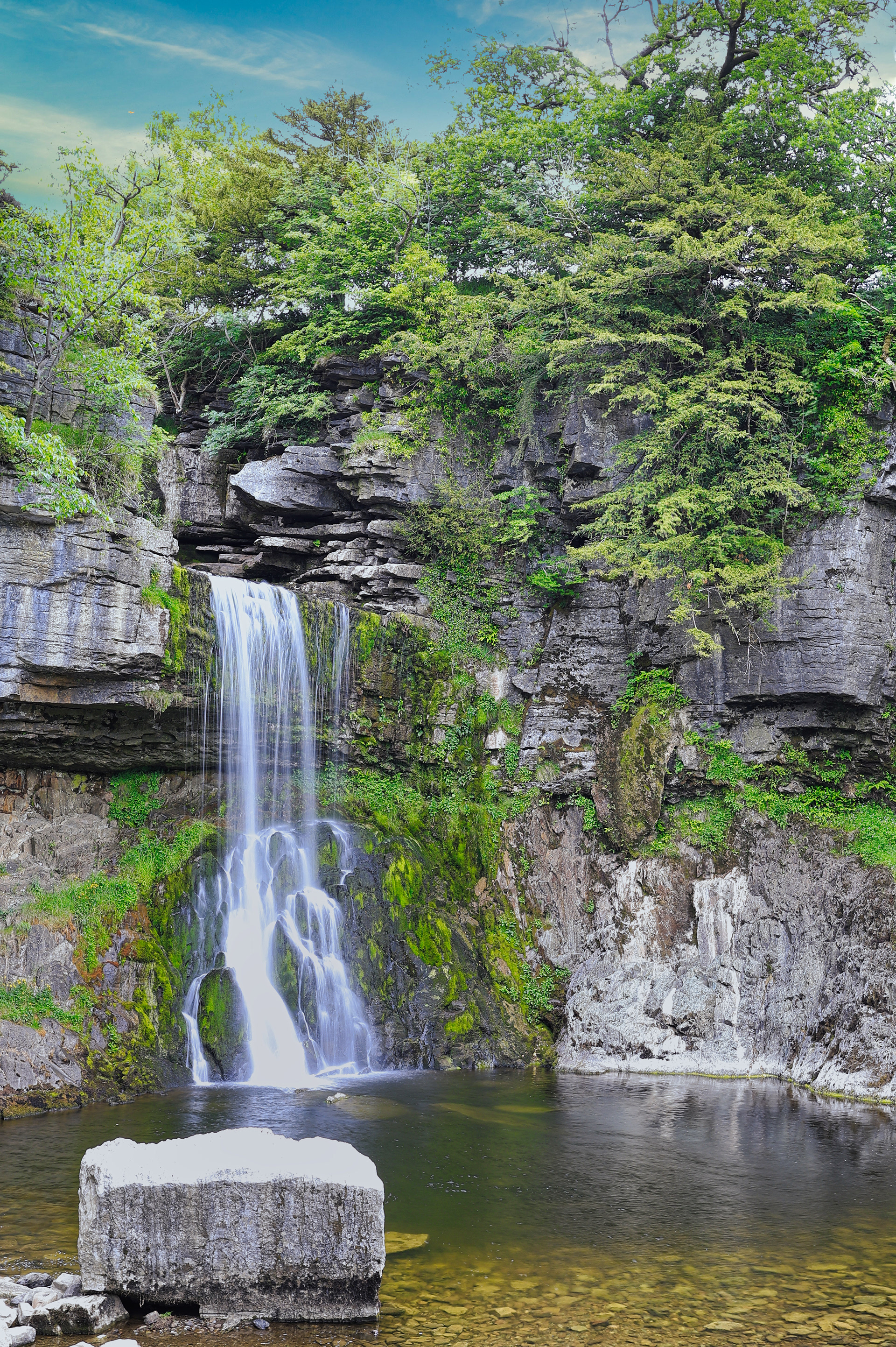
Guided first by the sound of moving water, the trail unfolded step by step along the Ingleton Waterfalls Trail, where shallow streams slipped over stone and moss-lined paths drew the journey deeper into the gorge. As the route climbed, waterfalls revealed themselves in sequence some narrow and hidden, others falling wide and deliberate into dark pools each pause marked by cool air and softened light beneath the canopy. Higher ground brought broader views and a quieter rhythm, before the path gently looped back through woodland and rock, the walk resolving not with a single moment, but with the steady accumulation of flow, height, and stillness that defined the day.
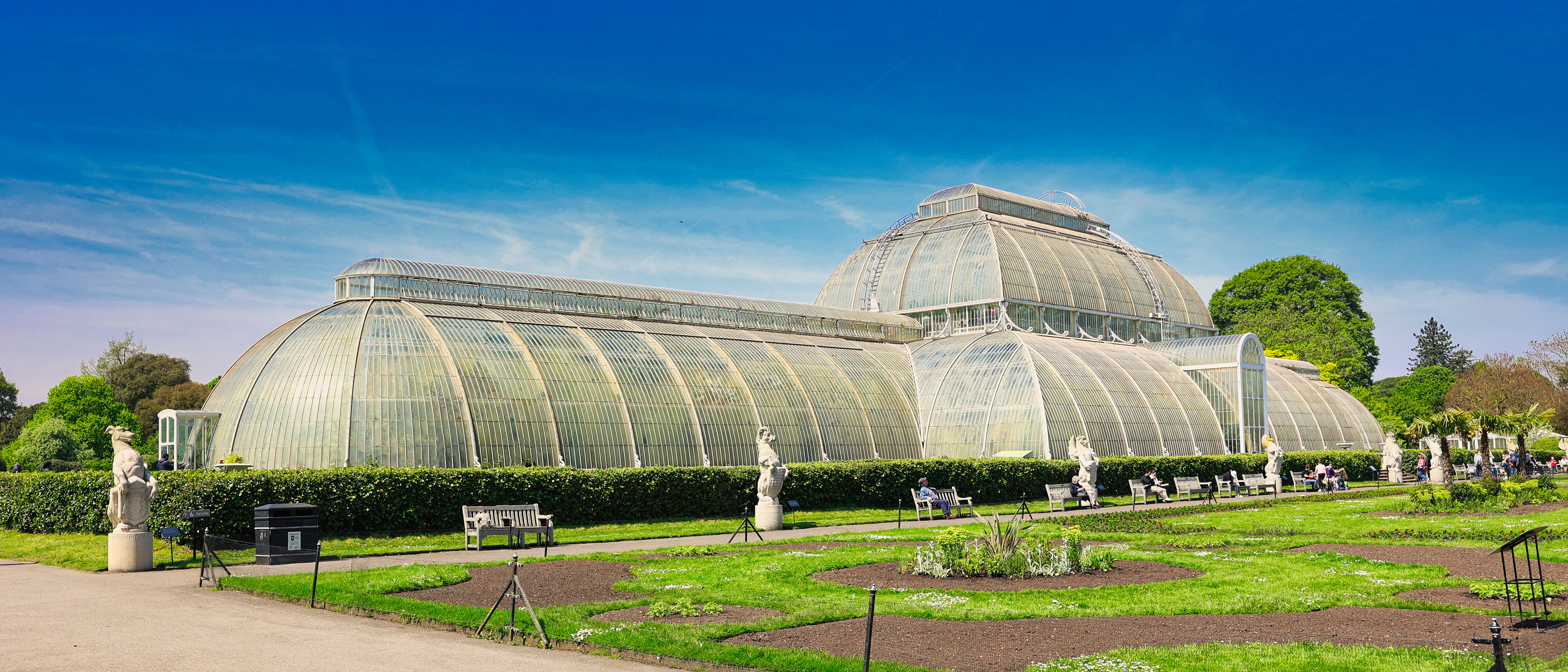
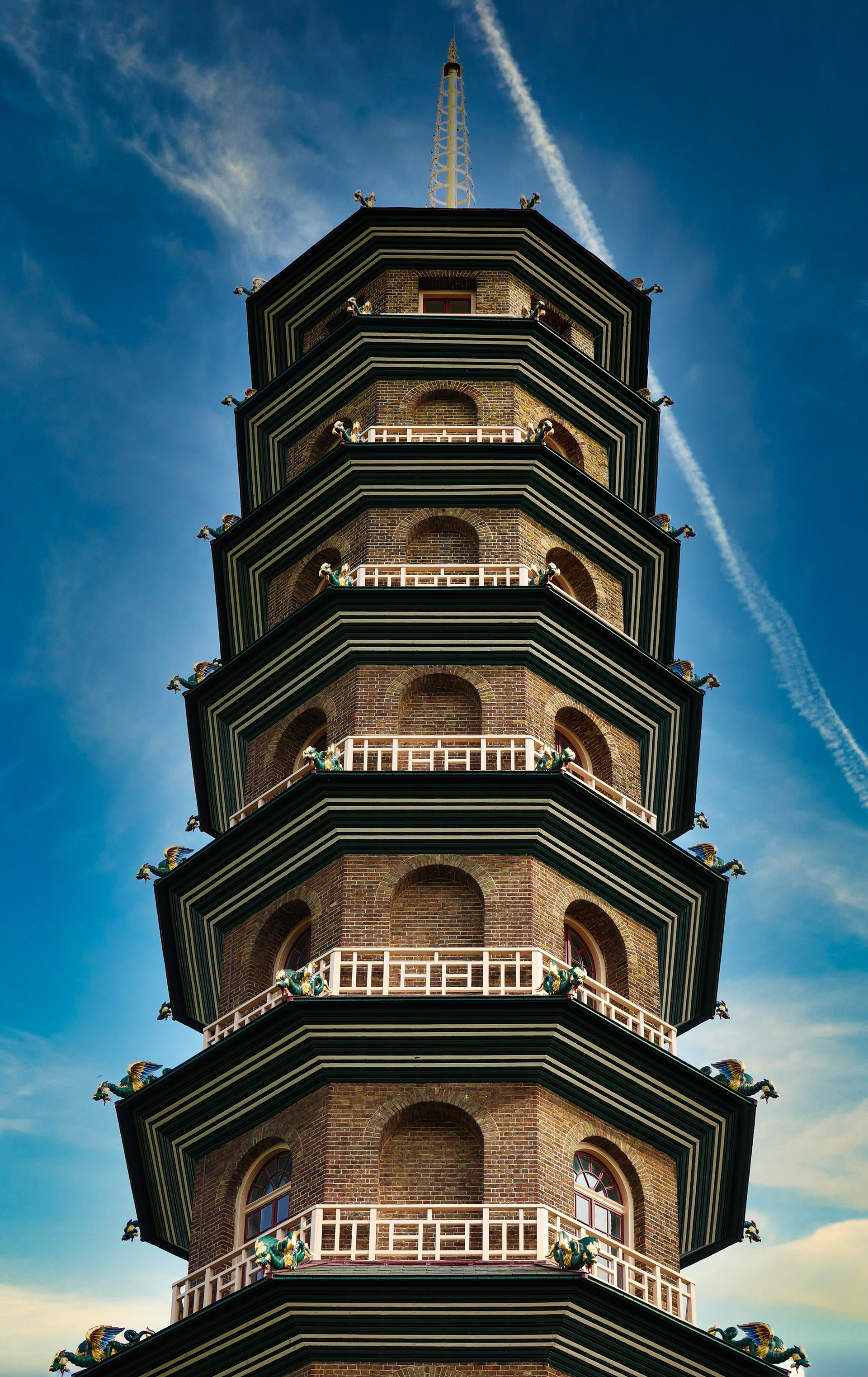
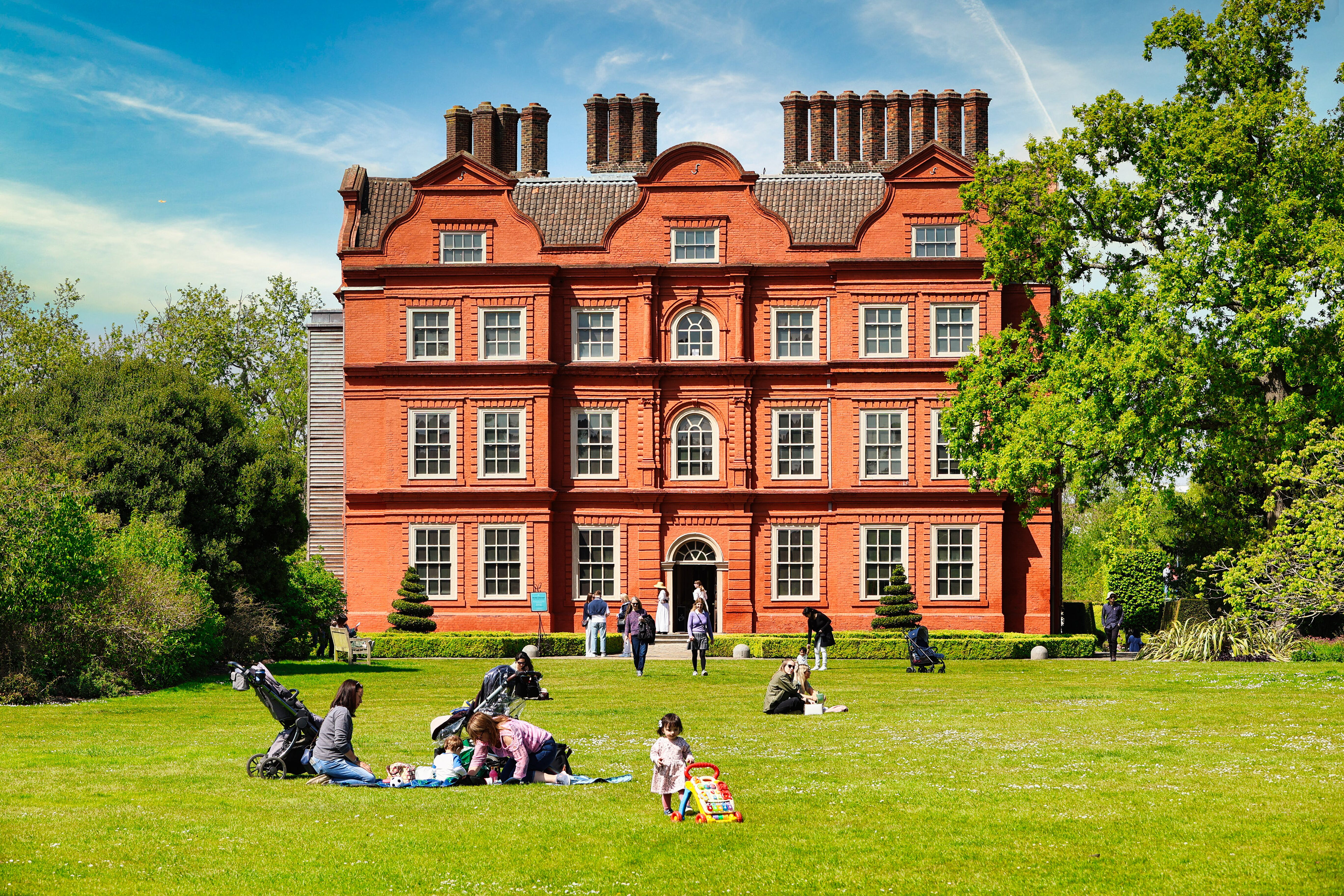
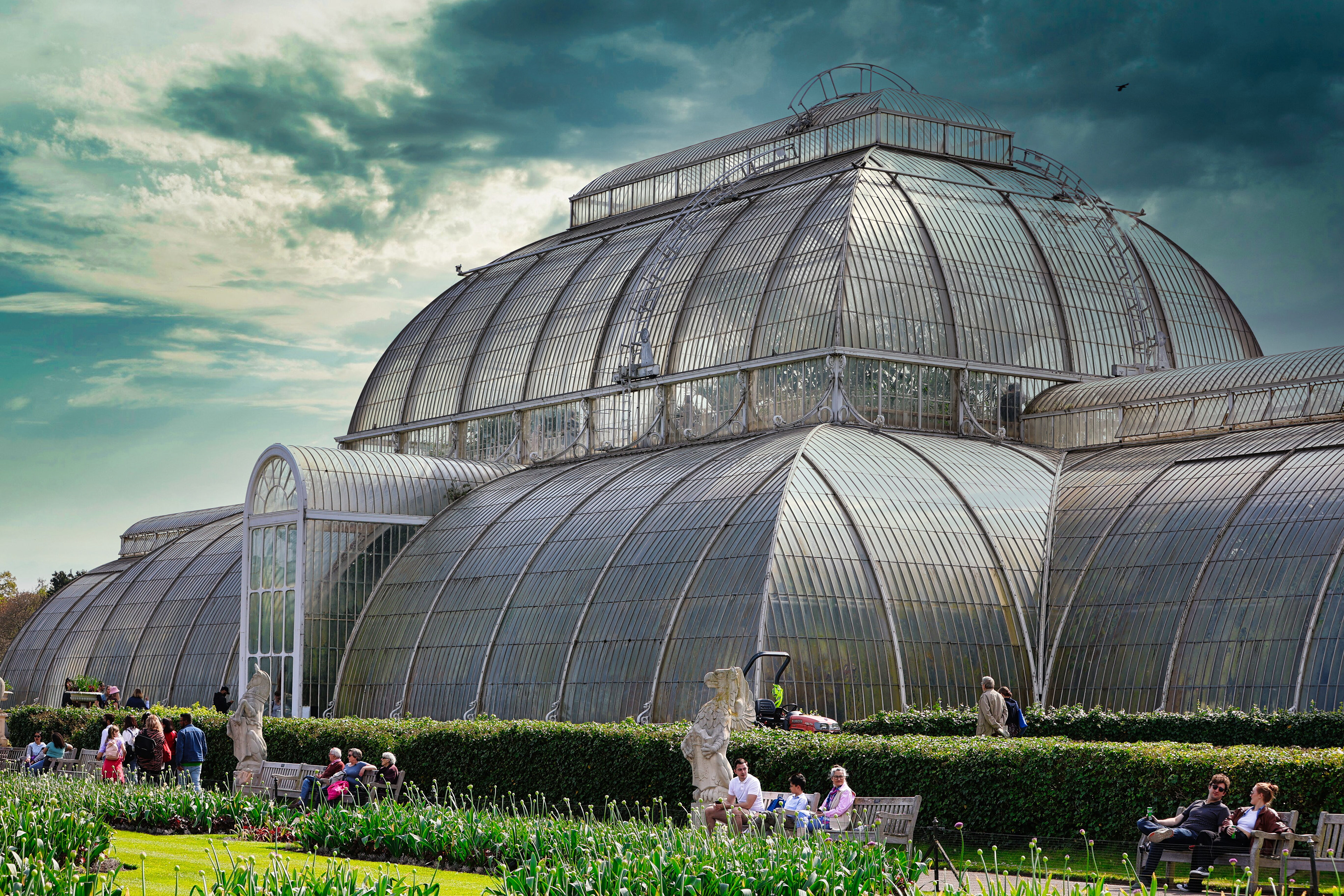
Morning light spread across the lawns of Kew Gardens as the elegant red-brick front of Kew Palace came into view, framed by families and visitors enjoying the quiet openness of the grounds. Wandering deeper into the gardens, the sweeping glass curves of the Palm House appeared ahead, its Victorian iron and glass structure rising above carefully arranged flower beds and pathways. As the day unfolded, closer details of the great greenhouse revealed themselves arched glass panels catching shifting clouds while visitors paused on benches to take in the calm atmosphere of the botanical landscape. The journey concluded by looking upward toward the tiered pagoda tower, its stacked levels climbing confidently into the blue sky, a final architectural landmark marking the timeless blend of nature, history, and design that defines Kew Gardens.
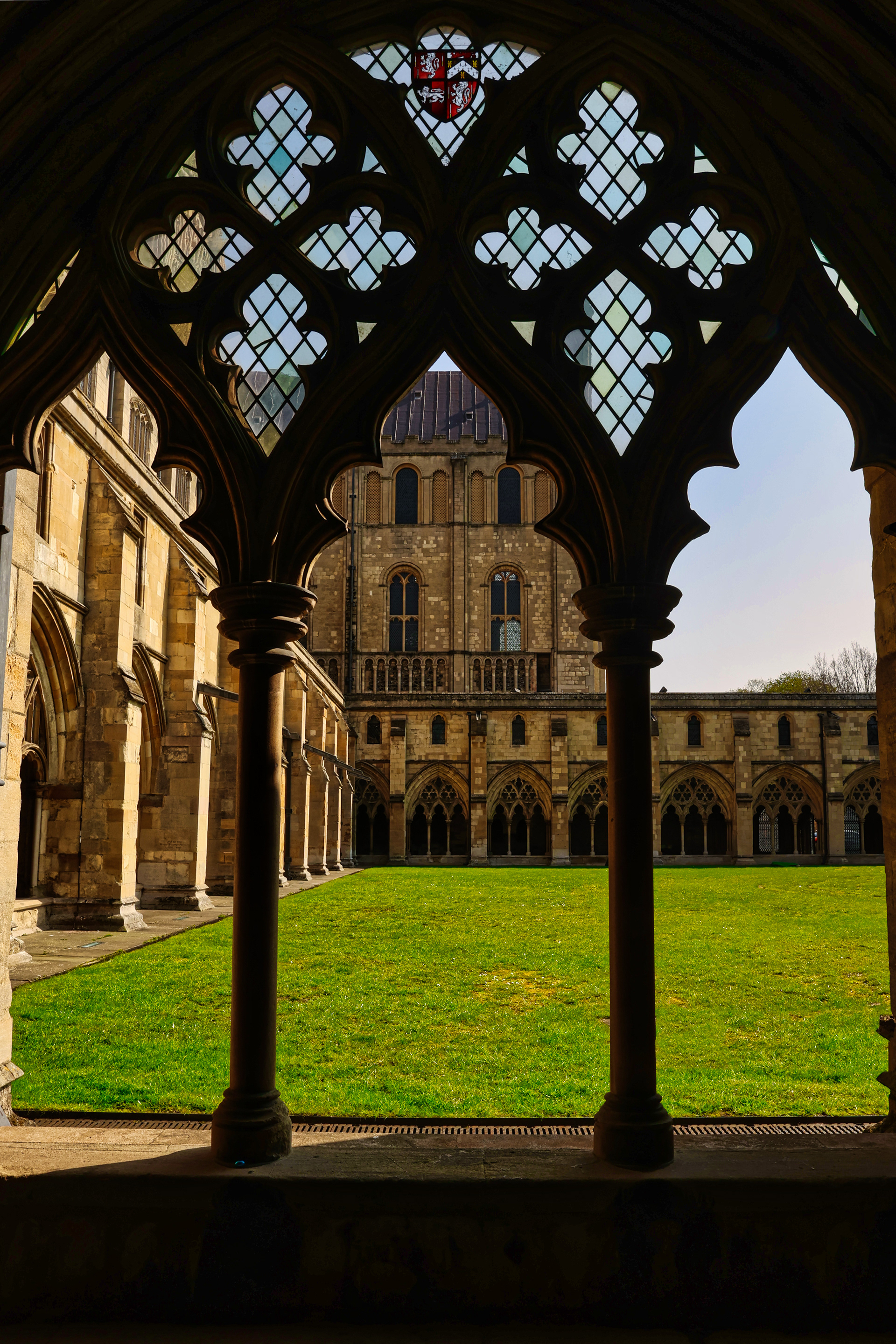
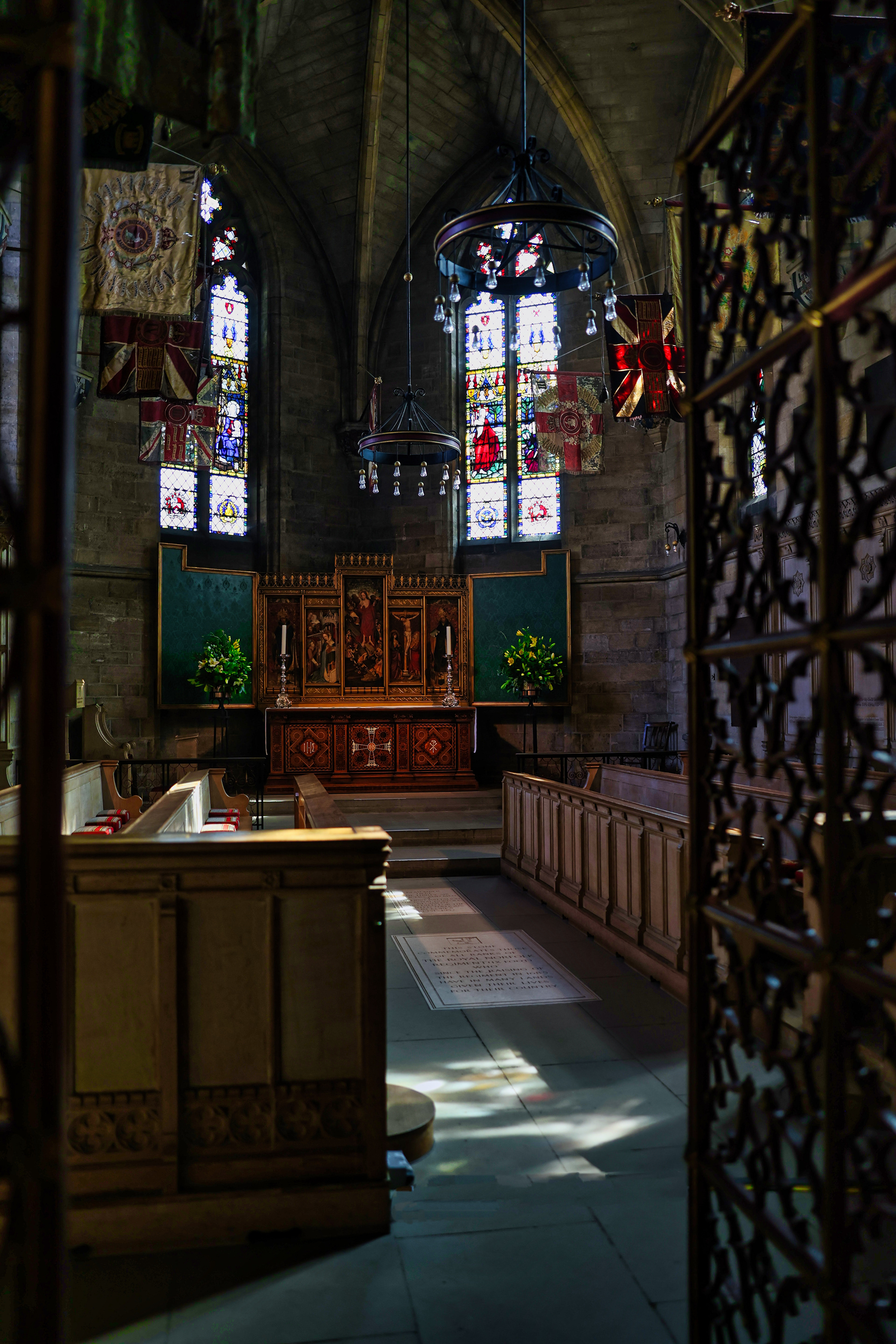
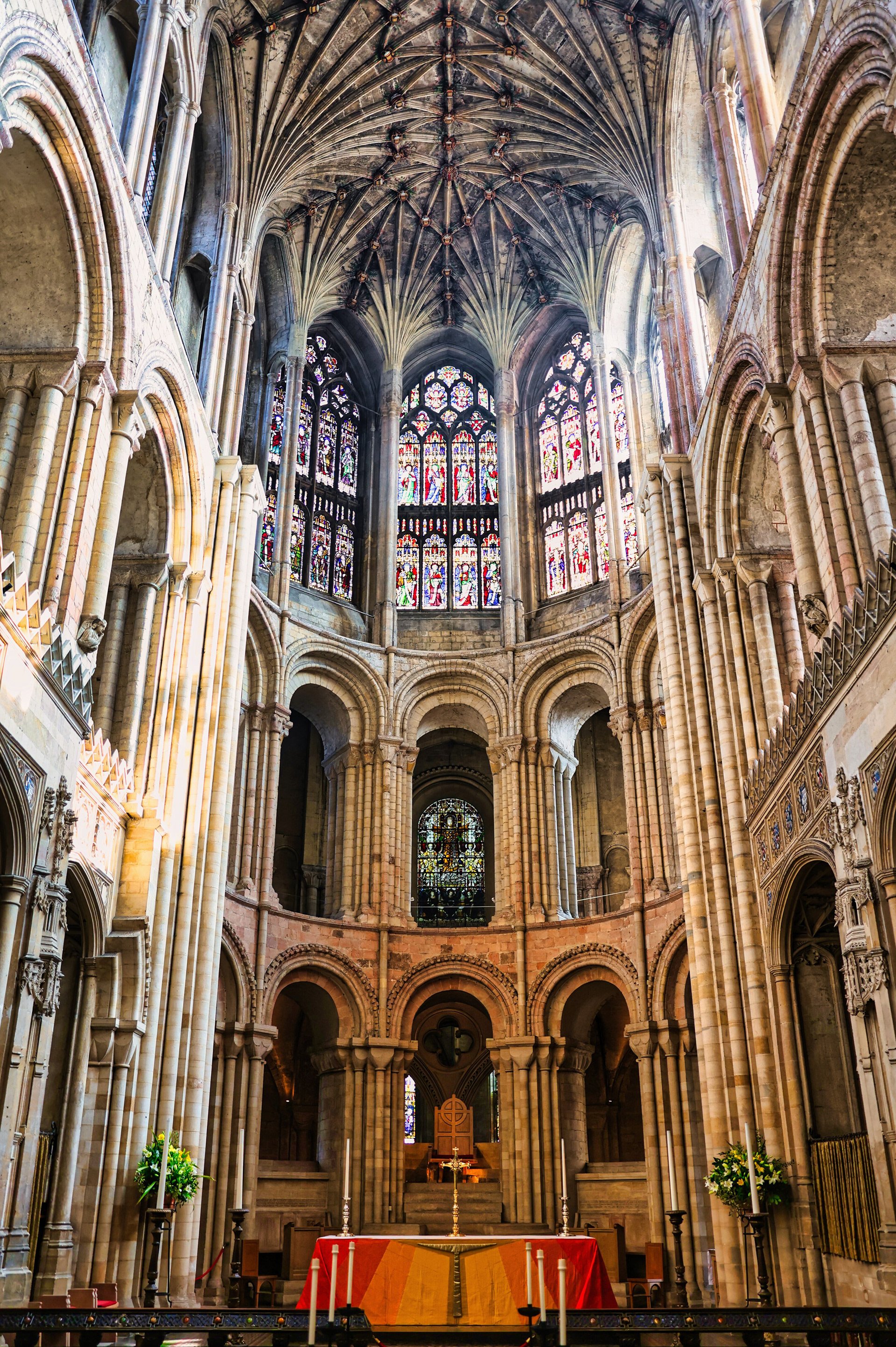
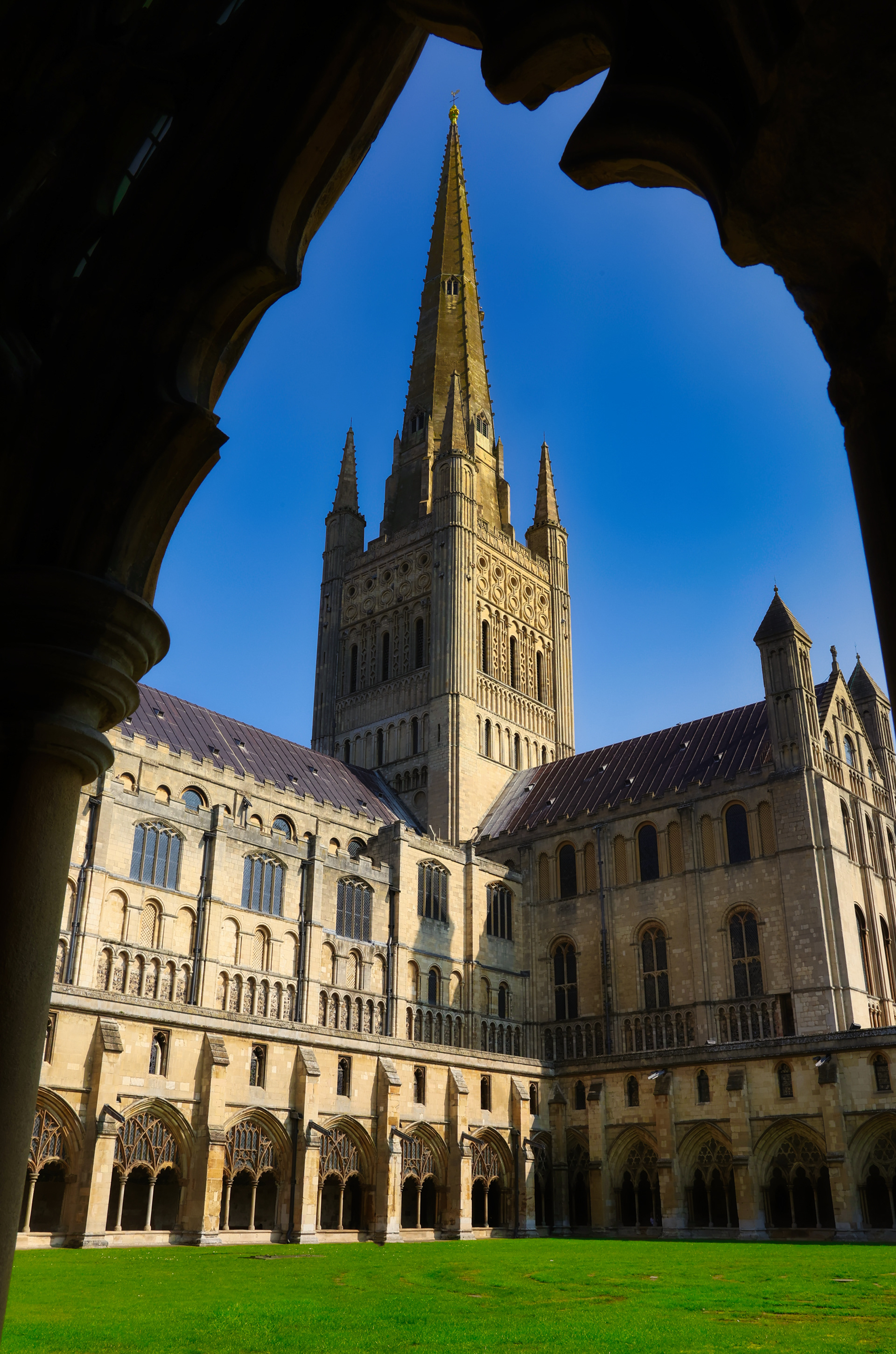
Framed by the quiet arches of the cloister, the soaring spire of Norwich Cathedral rose sharply into the clear sky, its pale stone catching the morning light above the peaceful green courtyard below. Moving slowly through the cloisters, intricate Gothic patterns and carved columns revealed the calm rhythm of the cathedral’s architecture, guiding the path toward the heart of the building. Inside, the atmosphere deepened into quiet reverence as stained glass windows cast coloured light across the chapel and wooden pews, illuminating centuries of worship and history. The journey continued beneath the immense vaulted ceiling of the nave, where towering columns and radiant stained glass filled the space with light and grandeur, bringing the experience to a powerful conclusion within one of England’s most remarkable medieval cathedrals.
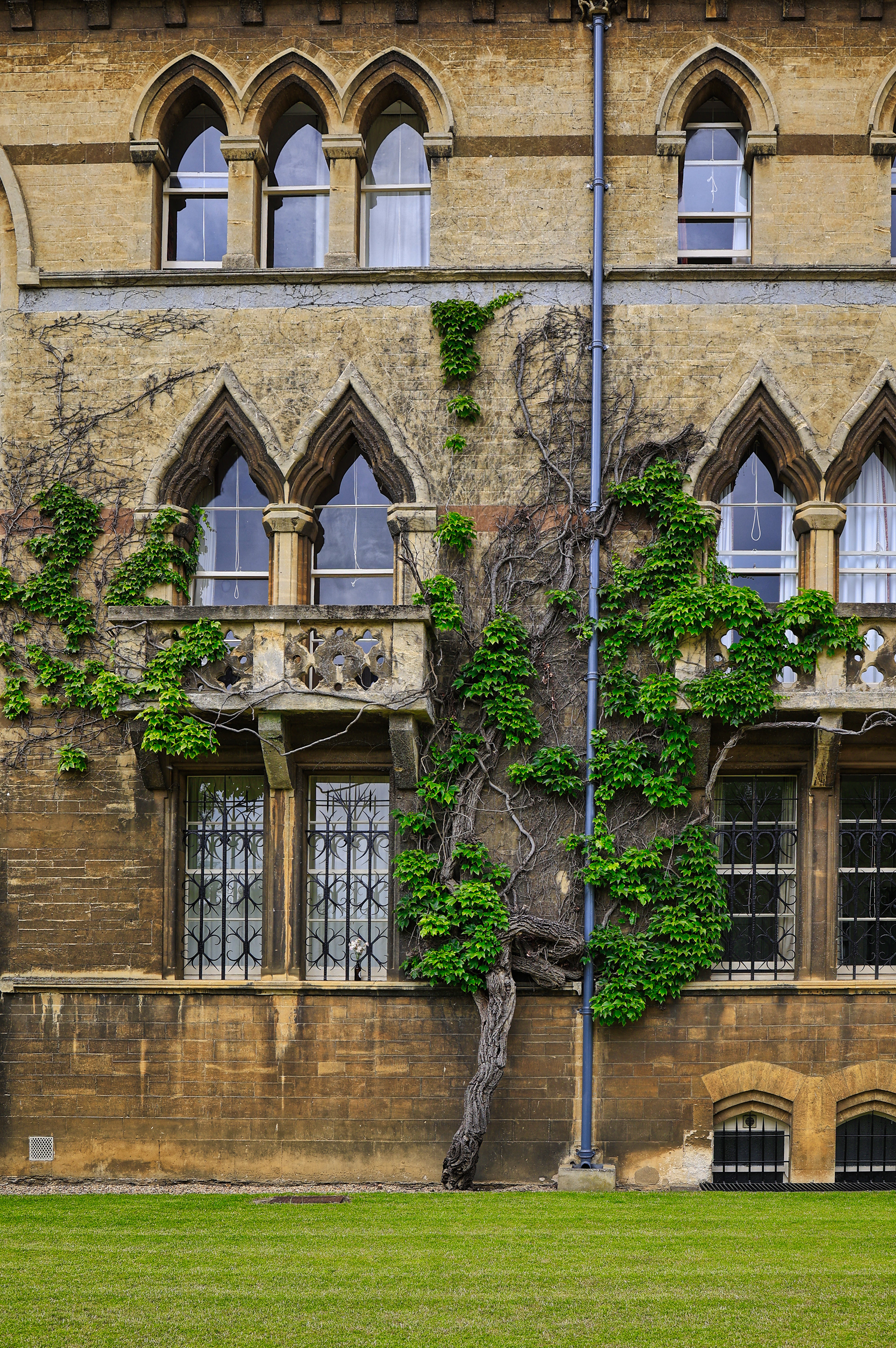
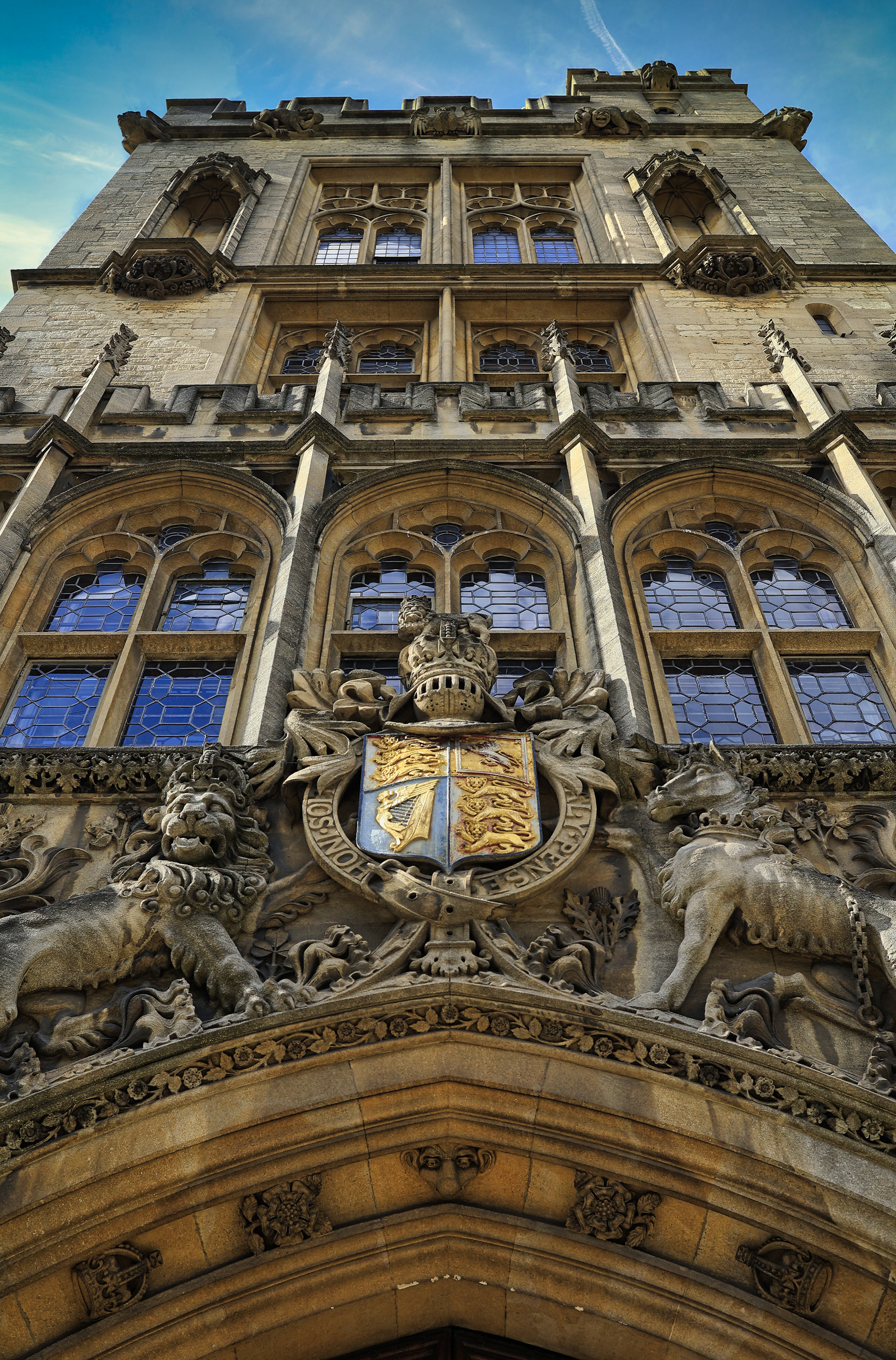
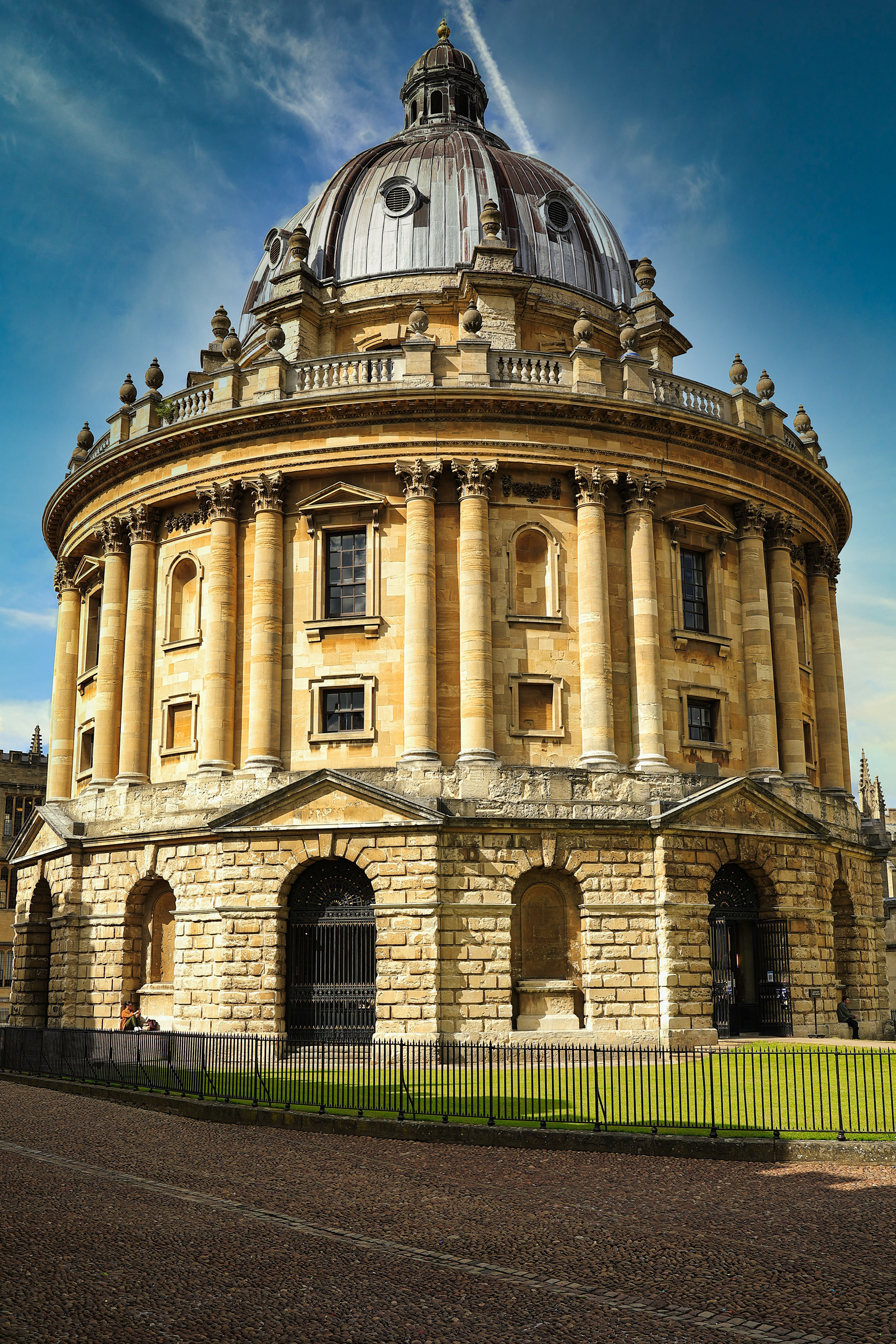
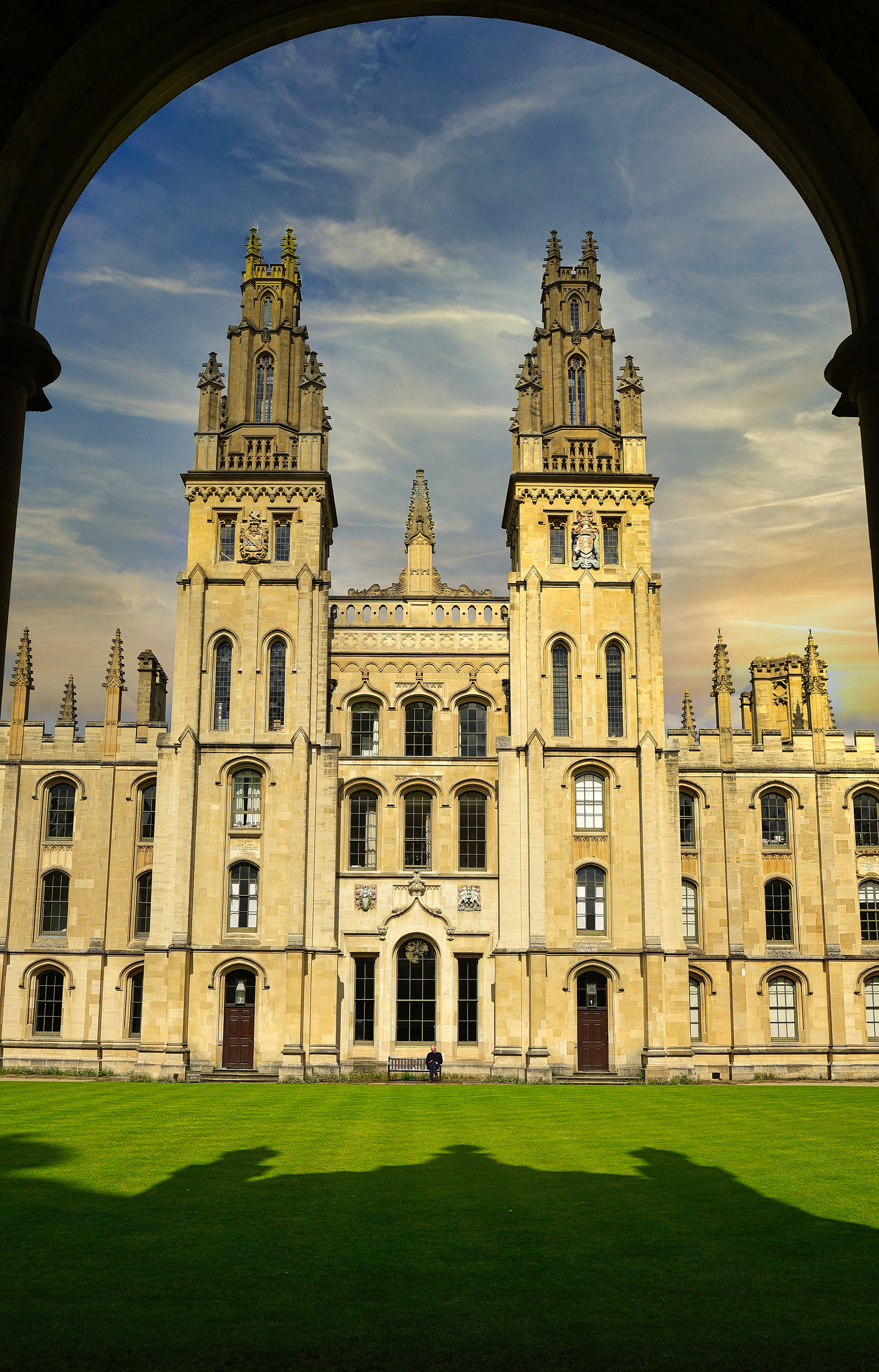
Guided by arches and stone rather than streets, the day in Oxford unfolded upward and inward, beginning with college façades where climbing ivy softened centuries of intent. Moving deeper into the city, crests, carved figures, and tall Gothic windows revealed themselves in sequence, the rhythm of walking punctuated by moments beneath vaulted bridges and quiet courtyards. As light shifted across honey-coloured walls, landmarks like the Radcliffe Camera and the Bridge of Sighs emerged not as destinations but as pauses glimpses of continuity before the journey settled into stillness, where learning, history, and daily life quietly coexist.
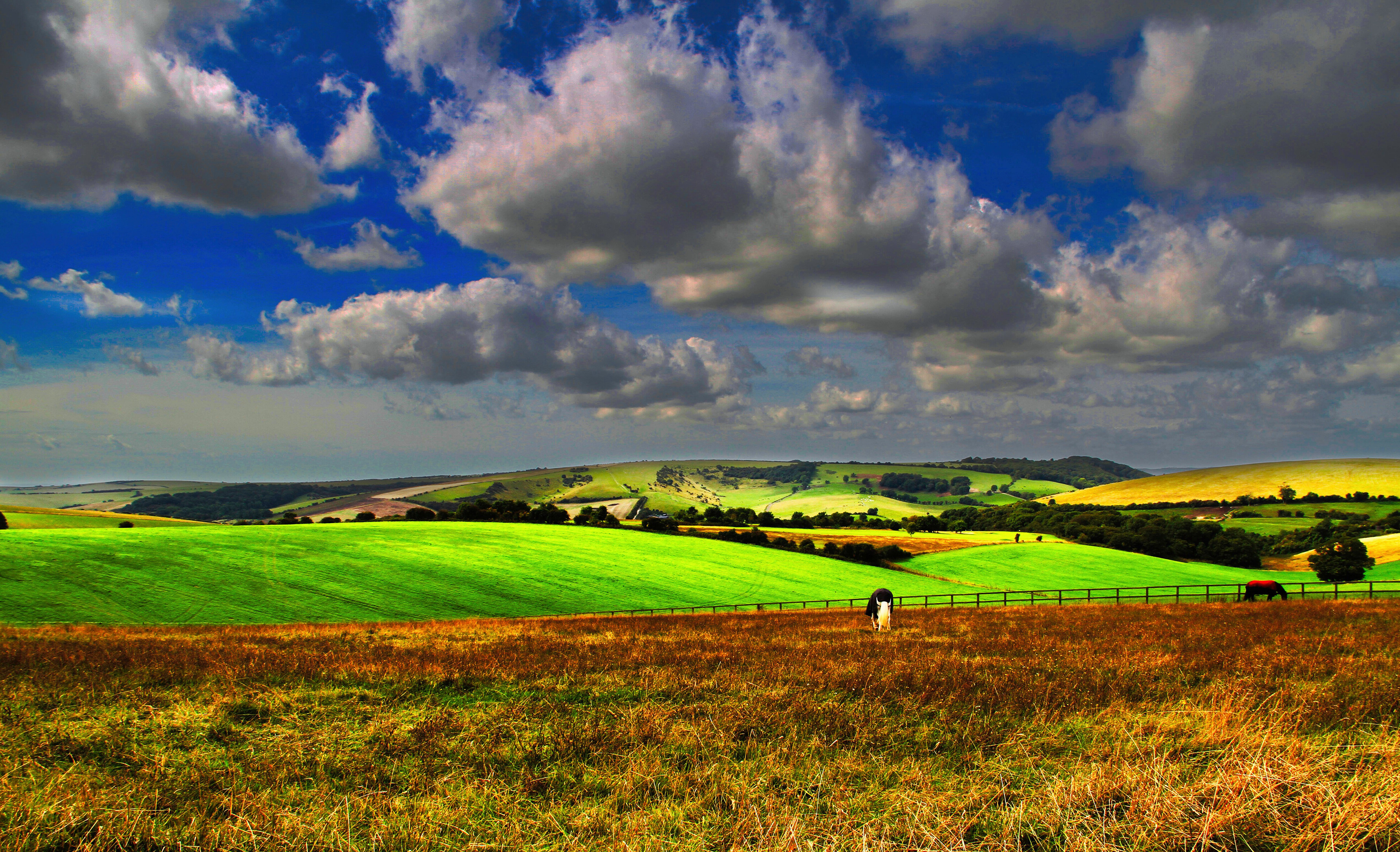
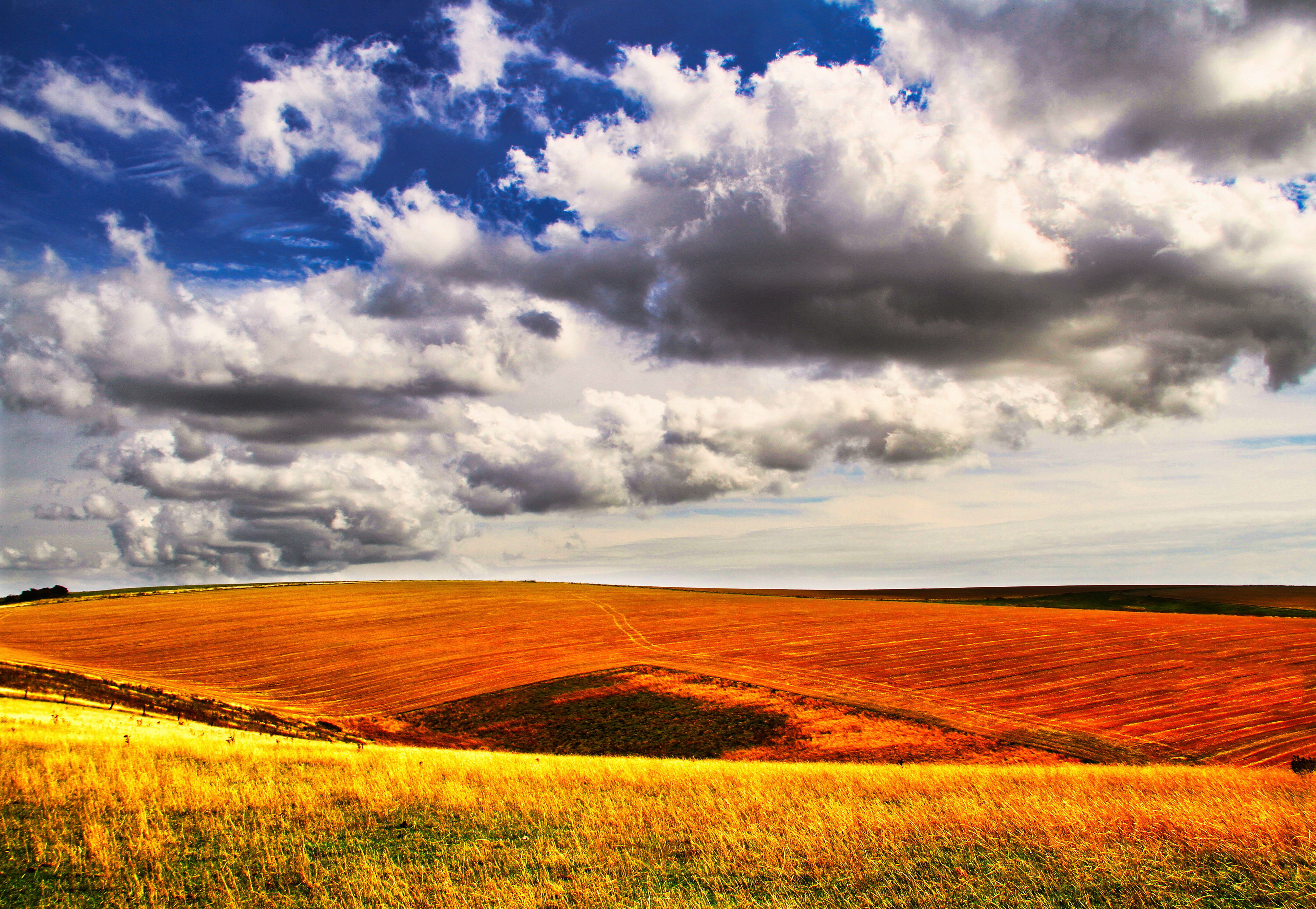
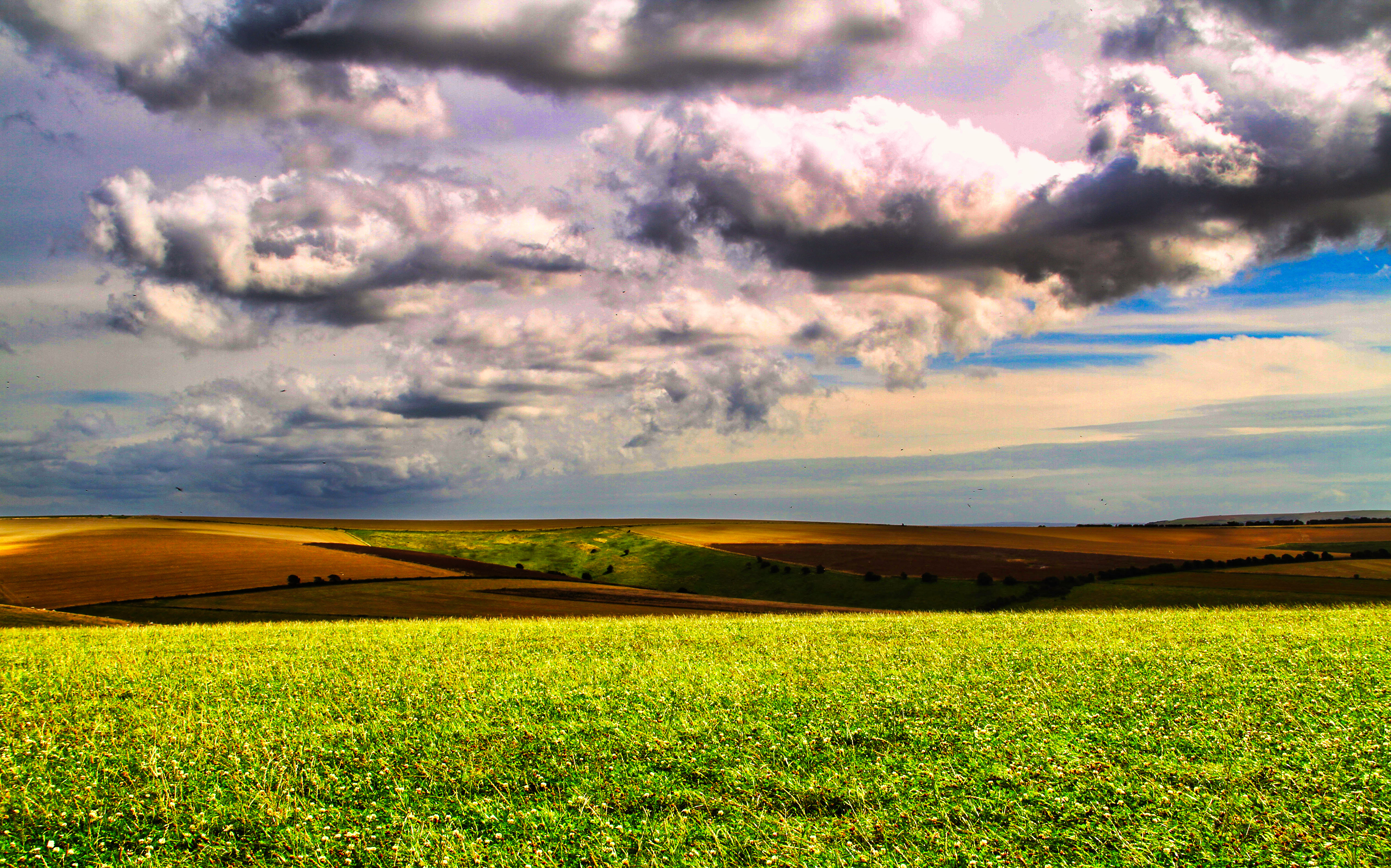
Rolling hills stretched endlessly beneath a sky alive with drifting clouds as the South Downs opened into a landscape of wide horizons and quiet movement. Walking along the ridge, the patchwork of fields shifted in colour from deep green to warm amber, shaped by gentle valleys and distant hedgerows. As the light moved across the countryside, shadows from the passing clouds travelled slowly over the slopes, revealing the subtle curves of the land and the traces of paths winding through the fields. The journey unfolded in calm silence, where the openness of the Downs and the ever-changing sky created a landscape that felt both vast and deeply peaceful.